Design Trends That Make Your Home Look More Expensive
Published on: April 23, 2026

Materials, Lighting, Cabinetry, and Layout Ideas That Elevate Your Home
Walk into a truly beautiful home and something immediately feels different. The space feels intentional. Calm. Balanced. Even if you can’t immediately identify why, the impression is unmistakable — it feels elevated.
Many homeowners assume that creating a high-end look requires massive square footage or extravagant spending. In reality, the homes that feel the most refined are rarely the ones with the most decoration. Instead, they rely on thoughtful choices in materials, lighting, cabinetry, and layout — the foundational elements that shape how a space looks and feels.
Luxury design is not simply about what you add. It’s about how every element works together. When proportions are right, materials are cohesive, and light is used intelligently, even modest spaces can feel sophisticated and expensive.
In this guide, we’ll explore the design trends that professionals use to transform ordinary homes into spaces that feel polished, modern, and timeless.

The First Rule of Luxury Design: Simplicity with Intention
One of the biggest misconceptions about expensive homes is that they are full of ornate details. In reality, modern luxury tends to lean in the opposite direction. High-end interiors today prioritize clarity and restraint. Clean lines, balanced palettes, and natural materials allow a space to feel calm and sophisticated rather than visually overwhelming.
This does not mean minimalism for its own sake. Instead, it means choosing fewer elements but selecting them carefully. When each material, fixture, and architectural line is deliberate, the entire home begins to feel cohesive.
A well-designed space rarely relies on a single dramatic feature. Instead, the feeling of luxury comes from consistency. Flooring that flows naturally between rooms, cabinetry that aligns perfectly, and lighting that feels integrated rather than added later all contribute to a seamless experience.


Materials That Instantly Elevate a Space
Materials are the foundation of perceived value in a home. When surfaces look authentic and tactile, the space automatically feels more refined.
Natural Stone Surfaces
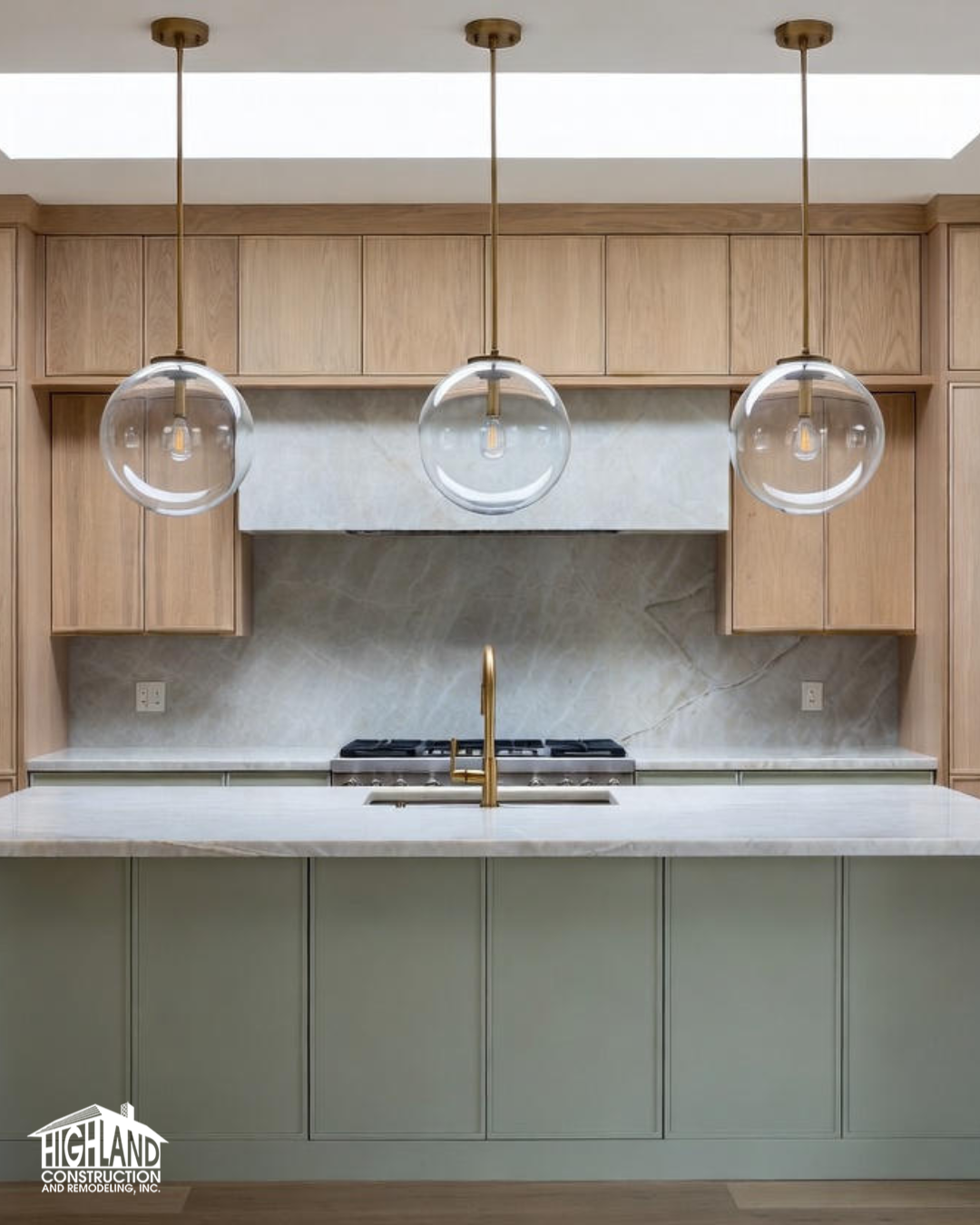
Stone has long been associated with luxury because it offers visual depth that manufactured materials struggle to replicate. Veining, color variation, and subtle texture add movement and interest without needing additional decoration.
Large-format slabs used for kitchen countertops, backsplashes, or bathroom walls are particularly impactful. They reduce grout lines and create a continuous, sculptural appearance that feels modern and expensive.
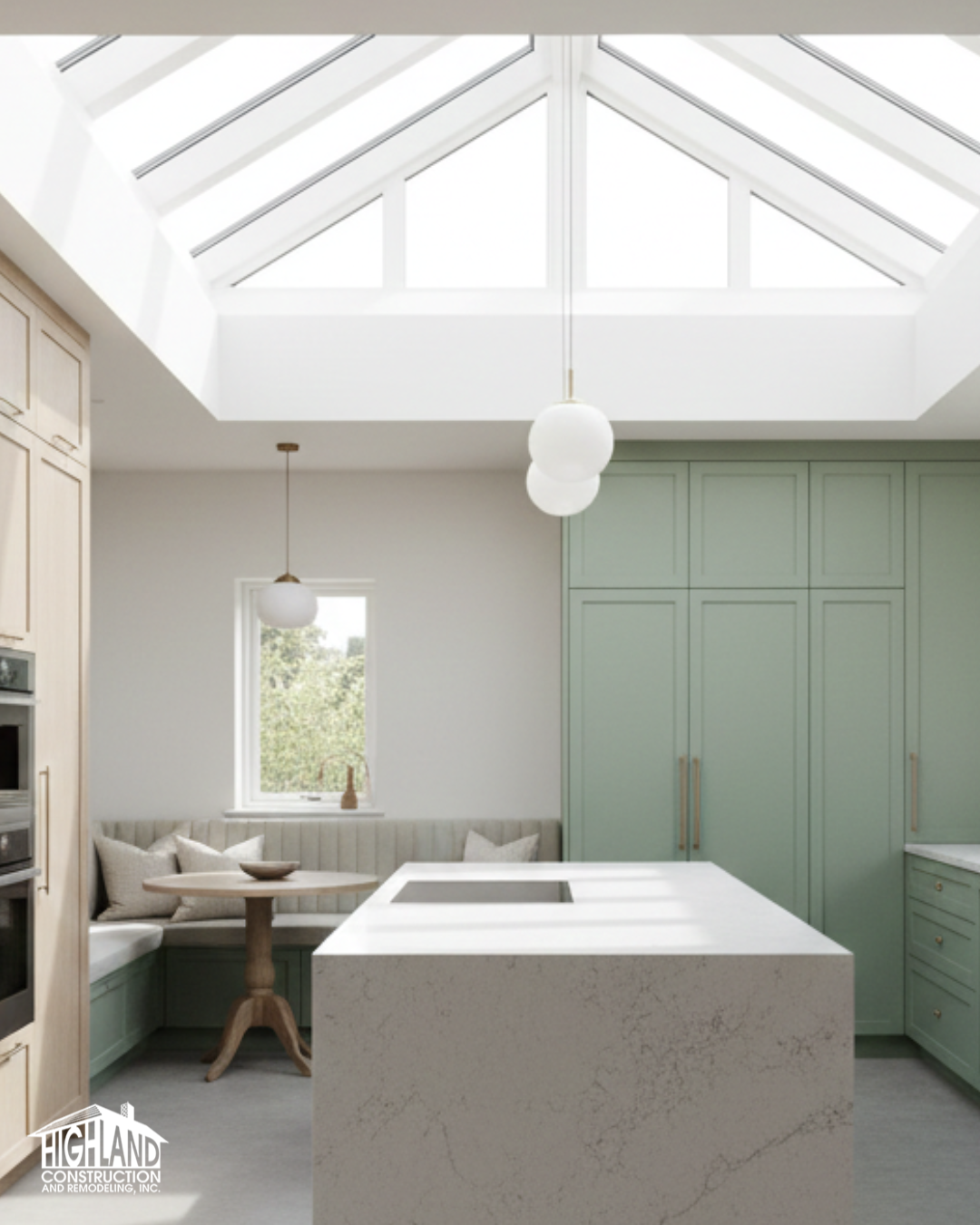
Marble, quartzite, and high-quality quartz surfaces are especially popular because they reflect light while maintaining durability. In kitchens, waterfall islands — where the stone flows down the sides of the cabinetry — create a dramatic focal point that elevates the entire room.
Warm Natural Wood
Wood introduces warmth and balance to contemporary interiors. While darker wood tones once dominated luxury homes, today’s designs favor lighter varieties such as white oak, walnut, and ash.
These woods complement neutral color palettes and help soften modern architecture. Rift-cut or quarter-sawn wood cabinetry is particularly popular because the grain appears subtle and linear, reinforcing a refined aesthetic.
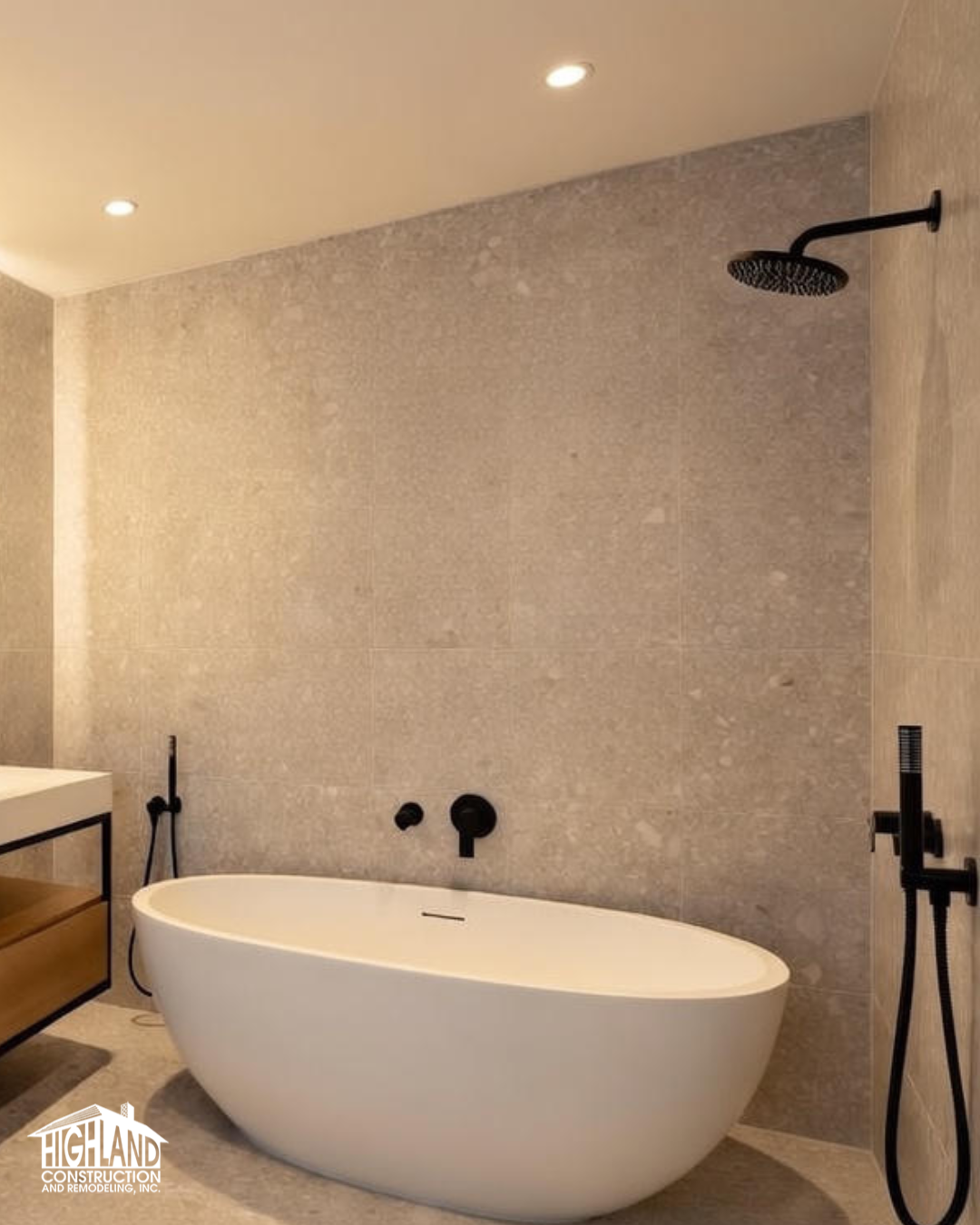
In kitchens, wood cabinetry or shelving can make the space feel inviting rather than sterile. In bathrooms, a floating wood vanity can transform a cold stone environment into a spa-like retreat.
Large-Format Tile
In bathrooms and living spaces, large tiles have become a defining trend in upscale homes. Oversized porcelain or stone tiles reduce visual interruptions and allow surfaces to feel continuous and expansive.
The fewer grout lines you see, the more the room resembles a luxury hotel or spa environment.
Large-format tiles are often used for shower walls, floors, and even full bathroom installations. Their scale helps smaller spaces feel more open while adding architectural presence.

Lighting: The Hidden Element of Expensive Homes
Lighting is one of the most overlooked elements in residential design, yet it has an enormous impact on how a home feels.
Professional designers often say that lighting is what makes a space come alive. Without thoughtful illumination, even the most beautiful materials can appear flat and lifeless.
Layered Lighting
Instead of relying on a single ceiling fixture, luxury homes use layered lighting. This approach combines several sources of light to create depth and atmosphere.
Ambient lighting provides general illumination. This usually comes from recessed ceiling lights or architectural fixtures that evenly brighten the room.
Task lighting focuses on specific activities such as cooking, reading, or grooming. Under-cabinet lighting in kitchens, vanity lighting in bathrooms, and desk lamps in offices ensure practical functionality.
Accent lighting highlights architectural features. Backlit mirrors, LED strips beneath cabinetry, and subtle wall washers emphasize textures and shapes.
When these layers work together, the result is a space that feels luminous and dynamic rather than flat.
Statement Fixtures
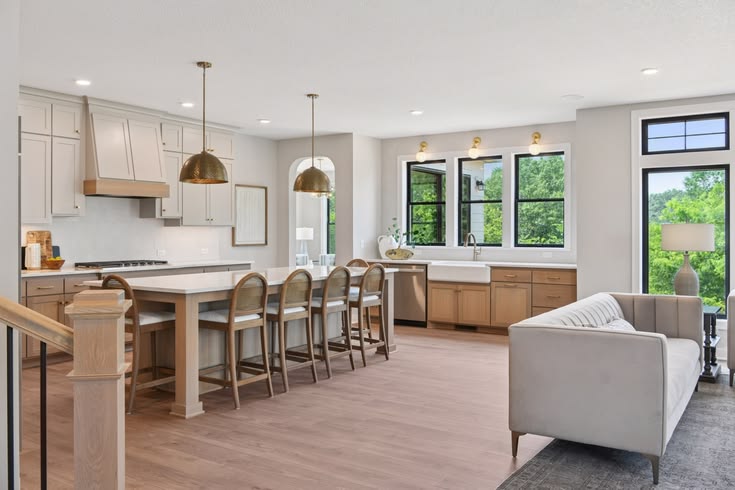
In many modern homes, lighting fixtures also serve as sculptural elements. Pendant lights above a kitchen island or chandelier-style fixtures in dining rooms can become focal points that add personality without overwhelming the space.
Oversized glass pendants, brushed brass chandeliers, and minimalist linear fixtures are particularly popular because they provide visual impact while maintaining simplicity.
Warm Light Temperature
Another detail that separates professional design from amateur renovation is light temperature.
Cool white lighting can make a home feel harsh and clinical. Warmer lighting creates a softer atmosphere that enhances natural materials and makes interiors feel more inviting.
Most luxury homes aim for a warm light range between 2700K and 3000K, which mimics the tone of natural daylight during the golden hours.

Cabinetry That Defines Modern Luxury
Cabinetry often occupies a large portion of visual space in kitchens, bathrooms, and built-ins. The style, finish, and proportions of cabinets can significantly influence whether a room feels ordinary or high-end.
Flat-Panel and Shaker Designs
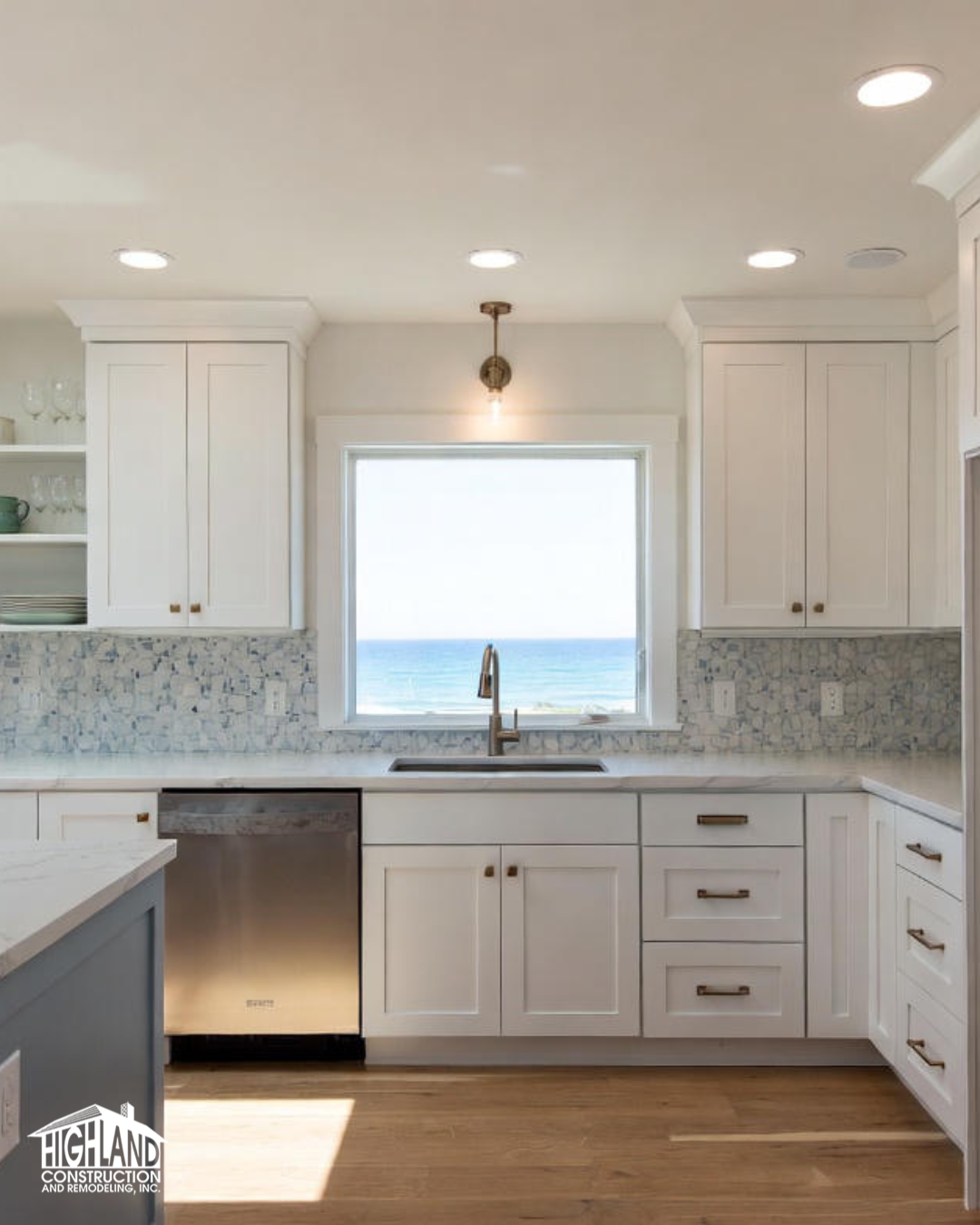
Simple cabinet door styles are a hallmark of modern luxury. Flat-panel cabinets provide a sleek contemporary appearance, while shaker-style cabinets offer timeless structure without excessive ornamentation.
Both styles emphasize proportion and alignment rather than decorative complexity.
Full-Height Cabinetry
One of the easiest ways to make a kitchen look more expensive is to extend cabinetry all the way to the ceiling. This eliminates the awkward gap that often collects dust and instead creates a clean, architectural wall of storage.
Full-height cabinets make the room appear taller and more refined.
Integrated Appliances
In high-end kitchens, appliances are often hidden behind cabinet panels. Refrigerators, dishwashers, and even ventilation hoods blend seamlessly with the surrounding cabinetry, creating a cohesive appearance.
This approach minimizes visual clutter and allows materials and design elements to take center stage.
High-Quality Hardware
Cabinet hardware acts like jewelry for a room. Simple brushed brass pulls, matte black handles, or sleek stainless finishes can elevate cabinetry dramatically.
Consistency is key. When hardware finishes are repeated across faucets, lighting, and accessories, the entire space feels intentional.


Layout Choices That Create a Sense of Luxury
Even the most beautiful materials cannot compensate for a poor layout. Flow, proportion, and spatial balance determine whether a home feels comfortable and sophisticated.
Open, Connected Spaces
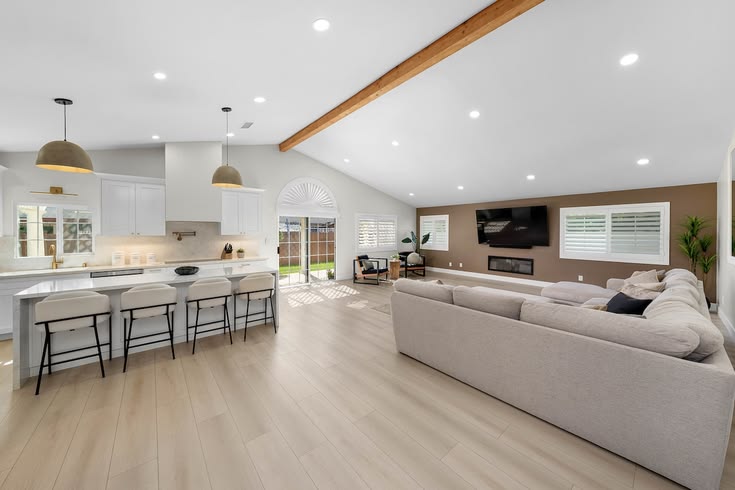
Many modern homes prioritize openness, allowing kitchens, dining areas, and living rooms to flow together. This layout encourages social interaction and allows natural light to travel throughout the home.
However, openness must still be balanced with defined zones. Kitchen islands, subtle ceiling changes, and furniture placement can help establish boundaries while maintaining a sense of continuity.
Kitchen Islands as Centerpieces
A well-designed island can completely transform a kitchen. Beyond providing additional workspace, islands act as gathering points for family and guests.
Oversized islands with seating, integrated storage, and waterfall countertops create a focal point that feels both practical and luxurious.
Walk-In Showers
In bathroom remodels, walk-in showers have largely replaced traditional tub-shower combinations. Frameless glass enclosures allow stone and tile surfaces to remain visible, creating a spa-like atmosphere.
Large shower niches, rainfall showerheads, and seamless flooring further enhance the sense of refinement.
Built-In Storage
Clutter is the enemy of luxury design. Built-in storage solutions keep everyday items hidden while preserving the clean aesthetic of a space.
Custom cabinetry, hidden pantries, and integrated shelving ensure that everything has a place without interrupting the visual harmony of the room.



Color Palettes That Feel Sophisticated
The colors used throughout a home play a significant role in how expensive it appears.
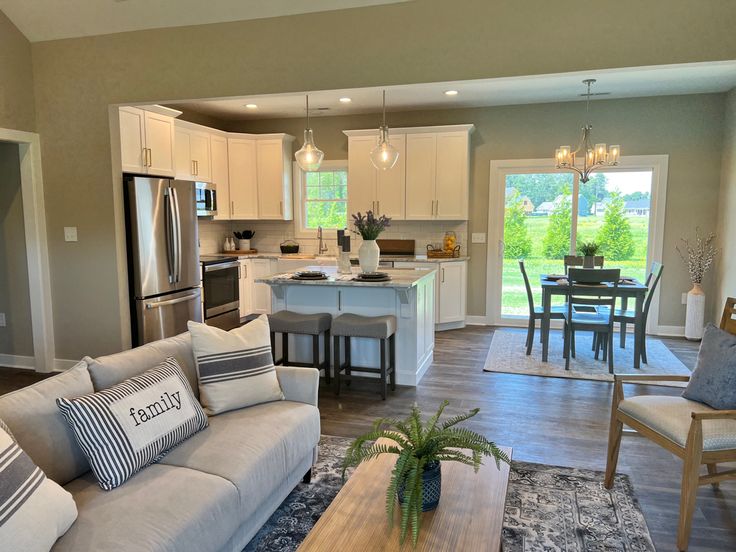
Modern luxury palettes tend to rely on neutral tones — whites, warm beiges, soft grays, and natural wood shades. These colors create a calm backdrop that allows materials and lighting to shine.
Subtle contrast is often introduced through darker cabinetry, accent walls, or stone surfaces. When used sparingly, darker tones add depth and visual interest.
Nature-inspired colors such as sage green, terracotta, and muted blues are also becoming increasingly popular. These shades add character while maintaining harmony with neutral surroundings.
Details That Complete the Look
The difference between a good remodel and a truly exceptional one often lies in the details.
Trim work, door hardware, baseboards, and wall treatments all contribute to the final impression of a home. Clean transitions between materials, precise alignment of fixtures, and thoughtful placement of décor help create a polished environment.
Even small upgrades — such as replacing outdated door handles or installing modern light switches — can subtly elevate the overall aesthetic.
Why Professional Design Matters
Many homeowners attempt to replicate luxury interiors by copying individual elements they see online. While inspiration is valuable, true refinement comes from understanding how all components interact.
Design professionals consider proportion, light flow, material compatibility, and construction precision long before the first cabinet is installed. Their role is to ensure that every choice supports the overall vision.
Without that holistic perspective, even expensive materials can feel disjointed.
The Emotional Impact of Thoughtful Design
At its core, luxury design is about experience. A beautifully designed home changes how people feel within it.
Morning routines become calmer.
Cooking becomes more enjoyable.
Gatherings feel more welcoming.
When materials are authentic, lighting is warm, and layouts support daily life, the home begins to function as more than just a shelter. It becomes a place of comfort and inspiration.
Final Thoughts
Creating a home that looks expensive is not about extravagance. It is about intentionality. The most refined interiors rely on timeless materials, layered lighting, thoughtful cabinetry, and layouts that support both beauty and function.
When these elements come together, a home can feel elevated without feeling excessive.
True luxury lives in the balance between simplicity and craftsmanship — where every detail works quietly in harmony to create a space that feels both beautiful and deeply livable.