How Long Does a Typical Home Remodel Take?
Published on: April 20, 2026
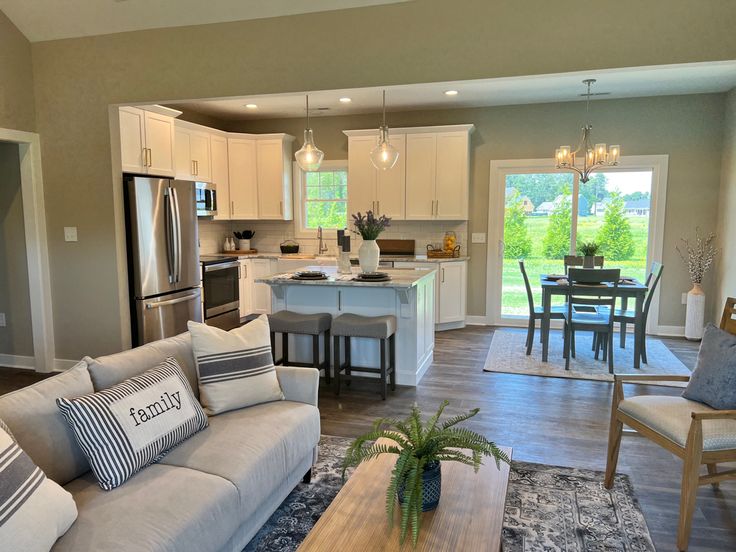
A Realistic Timeline for Kitchens, Bathrooms, ADUs, and Full Home Renovations
One of the first questions homeowners ask when planning a remodel is simple:
“How long is this going to take?”
It’s a fair question. Remodeling your home is exciting, but it also disrupts your routine. Kitchens may be unusable for weeks. Bathrooms might temporarily disappear. Dust, materials, and crews become part of daily life.
The truth is that remodeling timelines are influenced by many factors—design decisions, permits, materials, inspections, and construction complexity. While every project is unique, understanding the typical phases and timeframes helps homeowners plan realistically and avoid frustration.
In this guide, we’ll walk through how long common remodeling projects usually take, including kitchen remodels, bathroom renovations, ADU construction, and full home renovations. We’ll also explain what affects timelines and how you can help keep your project running smoothly.
Why Remodeling Timelines Vary
Before diving into specific project timelines, it’s important to understand why remodel schedules are rarely identical from one home to another.
Several factors influence the duration of a remodeling project.
Project complexity plays a major role. A cosmetic update with new finishes may take weeks, while structural changes requiring engineering and permits may take months.
Permits and inspections can extend timelines depending on local regulations. Cities like Los Angeles require permits for many types of work, especially when electrical, plumbing, or structural changes are involved.
Material availability also affects schedules. Custom cabinetry, specialty stone slabs, or imported fixtures may require longer lead times.
Design decisions can add time if plans change mid-project. Finalizing materials, layouts, and finishes before construction begins helps keep the schedule predictable.
Contractor coordination is another factor. Large projects involve electricians, plumbers, tile installers, painters, and inspectors, all working in sequence.
Understanding these variables helps homeowners see why timelines should be approached with flexibility rather than rigid expectations.
The Typical Remodeling Process
Most remodeling projects follow a similar sequence, regardless of size.
First comes planning and design. This stage includes layout planning, material selection, budgeting, and scheduling.
Next comes permit approval, which is required for many projects involving structural changes or mechanical systems.
After permits are secured, the project moves into demolition and preparation, followed by the core construction stages: framing, electrical, plumbing, installation, and finishing.
Finally, the project concludes with inspections, punch list corrections, and final walkthroughs.
Each phase contributes to the total timeline, and skipping or rushing steps often leads to costly mistakes.
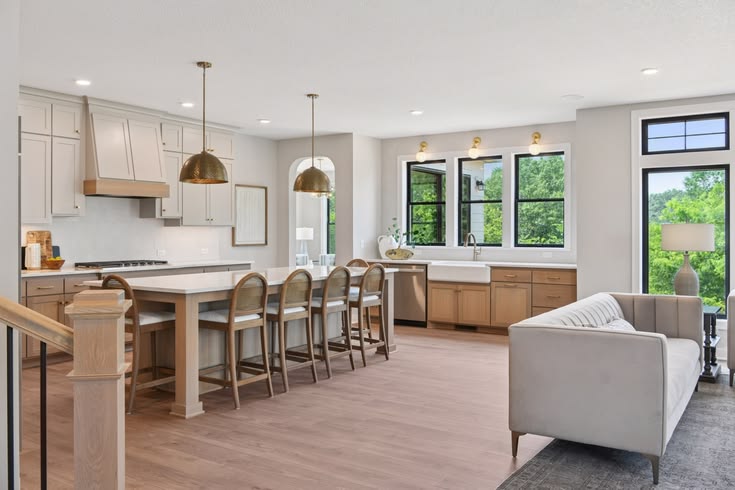
Kitchen Remodel Timeline
Kitchens are one of the most popular remodeling projects—and also one of the most complex.
Because kitchens contain plumbing, electrical systems, cabinetry, appliances, countertops, and lighting, multiple trades must work together carefully.
Planning and Design Phase
Before construction begins, homeowners should expect several weeks dedicated to planning.
During this stage, contractors help refine the layout, select materials, and finalize design details. Cabinets, countertops, appliances, lighting, and flooring must all be coordinated.
Material lead times are especially important here. Custom cabinets and specialty stone slabs often require several weeks for fabrication.
Many homeowners underestimate this phase, but good planning significantly reduces construction delays.
Permits and Approvals
If the remodel involves electrical changes, plumbing relocation, or structural work, permits may be required.
Permit timelines vary depending on the city and project scope. In Los Angeles, approval may take anywhere from a few weeks to several months depending on complexity.
Working with an experienced contractor helps streamline this process because they understand local building requirements and documentation.
Demolition and Preparation
Once construction begins, demolition usually happens quickly. Existing cabinets, countertops, and appliances are removed, exposing walls and floors.
During this phase, contractors inspect the underlying structure. Occasionally, hidden issues such as outdated wiring or plumbing are discovered, which may require adjustments before moving forward.
Structural and Mechanical Work
After demolition, contractors begin structural adjustments, framing changes, electrical rewiring, and plumbing installation.
This phase includes:
New lighting wiring
Outlet placement
Plumbing for sinks and appliances
Ventilation adjustments
Once completed, city inspections may occur before construction proceeds.
Cabinetry Installation
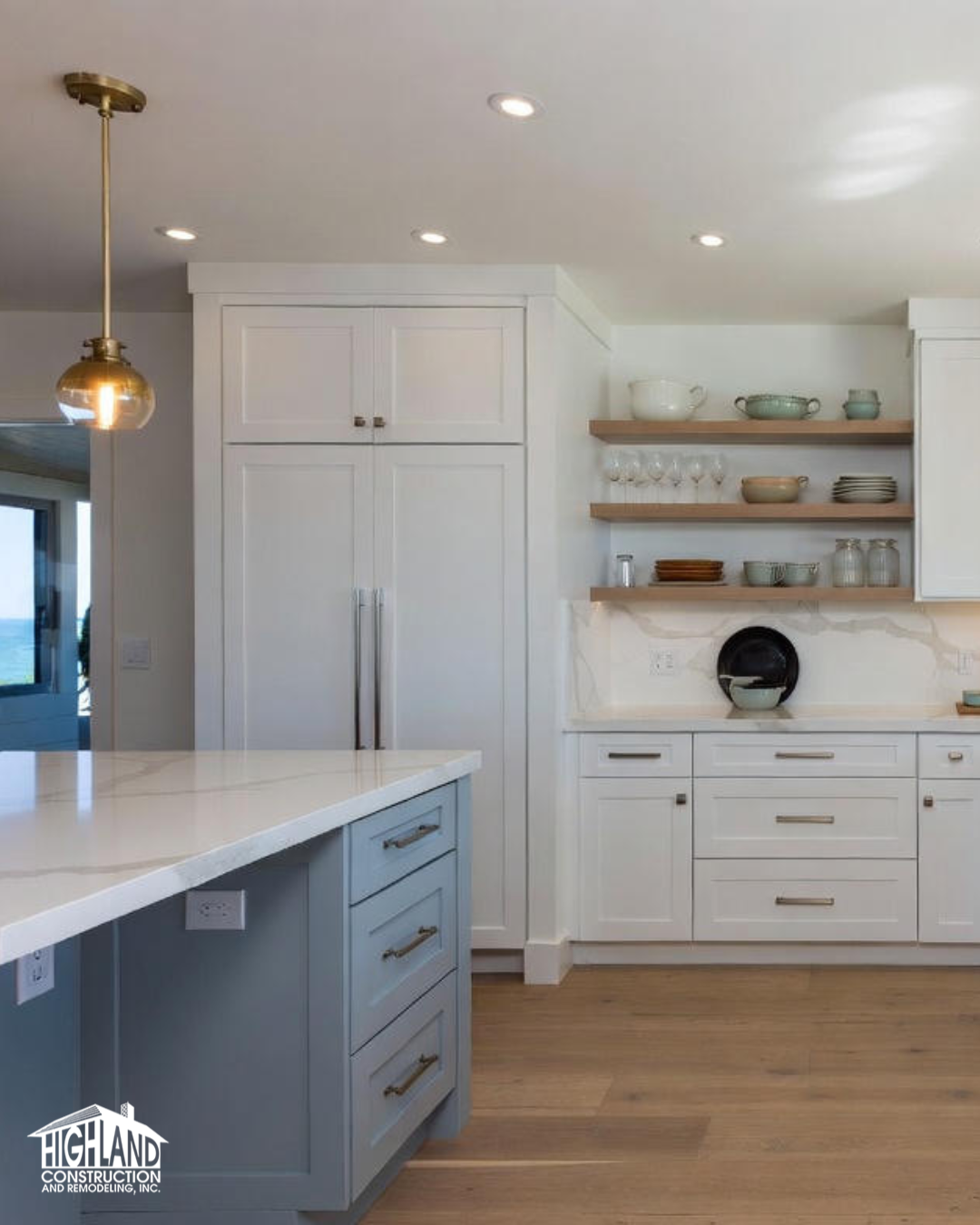
Cabinets are typically installed before countertops.
This stage defines the kitchen’s structure and layout. Precision is critical because countertops, appliances, and backsplashes must align perfectly with cabinet placement.
Countertops and Finishes
After cabinets are installed, countertops are measured and fabricated. Stone countertops often require templating before installation, which can add additional time.
Once countertops are installed, contractors move on to backsplash tile, appliances, fixtures, and finishing details.
Final Touches and Inspection
Painting, lighting adjustments, and final hardware installation happen near the end of the project.
Once everything is complete, the contractor conducts a walkthrough with the homeowner to ensure everything meets expectations.
Typical Kitchen Remodel Timeline
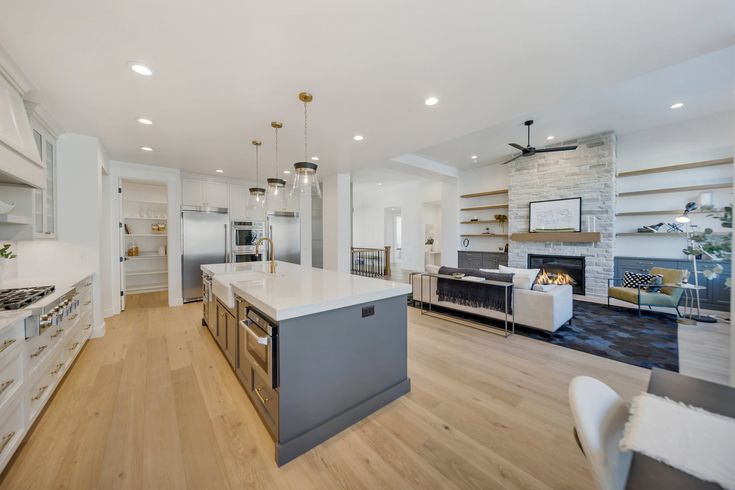
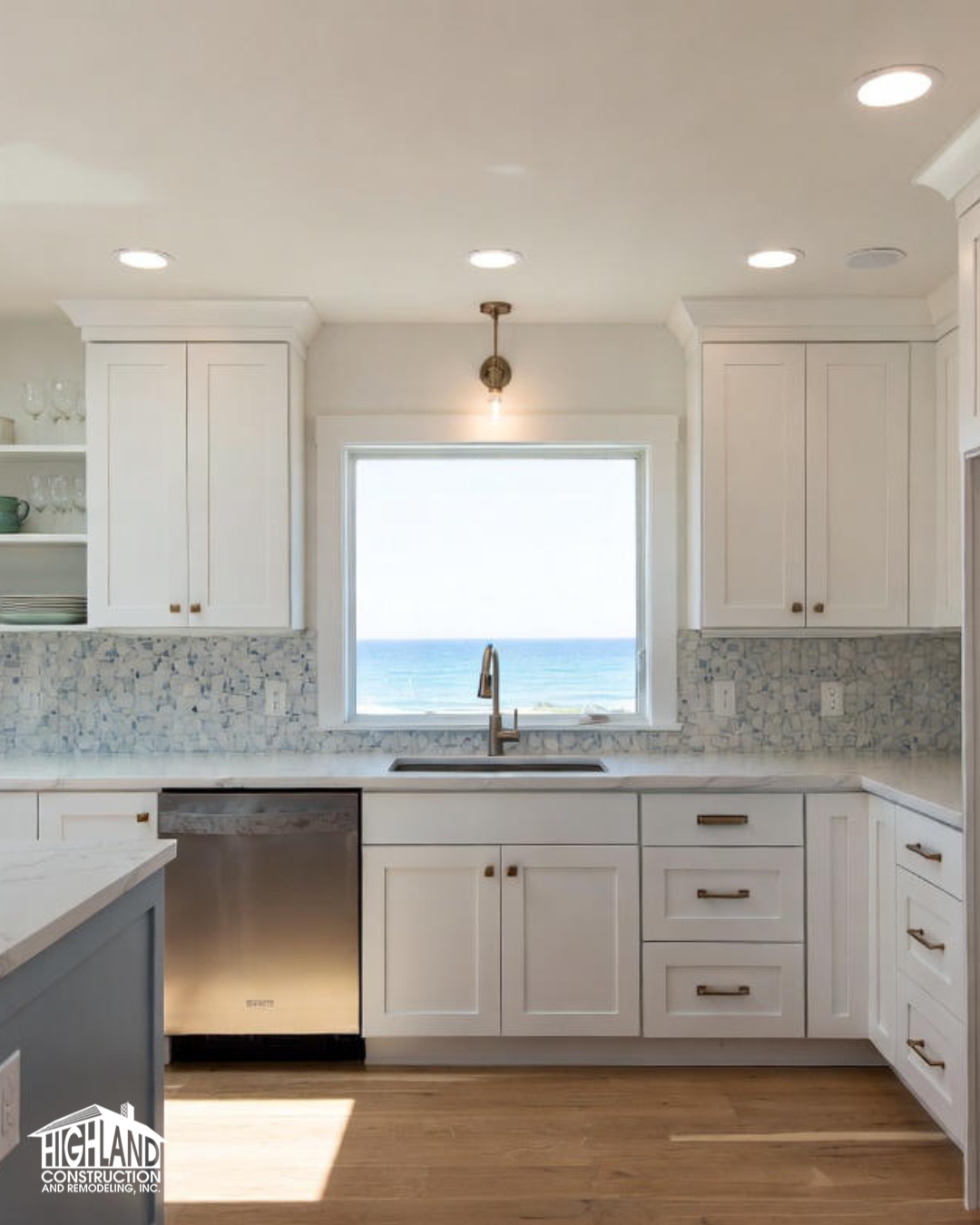
For most homes, a kitchen remodel takes six to twelve weeks of construction, depending on scope and materials.
Including design and permitting, the full process may span several months.
Bathroom Remodel Timeline
Bathroom renovations are typically smaller than kitchens but can still involve complex plumbing and tile work.
Because bathrooms are compact spaces, precise planning is essential to maximize functionality and comfort.
Planning Phase
During the planning stage, homeowners choose layouts, vanities, fixtures, tile materials, and lighting.
Some homeowners also choose to upgrade to features like walk-in showers, freestanding tubs, floating vanities, or heated flooring.
Demolition
Bathroom demolition usually takes only a few days.
Existing tiles, fixtures, and cabinetry are removed to expose the structural framing and plumbing systems behind the walls.
Plumbing and Electrical Work
If the remodel includes relocating fixtures or upgrading lighting, plumbing and electrical work must be completed early in the construction phase.
This stage prepares the space for new installations.
Waterproofing and Tile Installation
One of the most important steps in bathroom remodeling is waterproofing.
Proper waterproofing prevents moisture damage and mold growth behind walls and floors.
Once waterproofing is complete, tile installation begins. Large-format tiles and custom layouts may require additional time due to careful alignment and curing.
Fixture and Vanity Installation
After tile installation, contractors install the vanity, toilet, shower fixtures, and bathtub if included.
Lighting, mirrors, and hardware complete the transformation.
Typical Bathroom Remodel Timeline
A standard bathroom remodel typically takes three to six weeks, depending on size and design complexity.

ADU Construction Timeline
Accessory Dwelling Units (ADUs) have become increasingly popular in California, especially in cities like Los Angeles.
Homeowners build ADUs for guest houses, rental income, home offices, or extended family living.
Because ADUs involve full construction, their timelines are longer than interior remodels.
Design and Planning
ADU construction begins with architectural planning and feasibility studies.
Designers evaluate zoning regulations, lot size, property setbacks, and utility access.
Permits and City Approval
Permitting for ADUs can take time, depending on the city and design.
Because ADUs involve new construction, cities carefully review structural, electrical, and plumbing plans before approving the project.
Site Preparation and Foundation
Once permits are approved, construction begins with site preparation and foundation work.
This stage includes excavation, concrete pouring, and utility preparation.
Framing and Exterior Work
Framing establishes the structure of the new building.
Walls, roof systems, and windows are installed during this phase.
Exterior finishes such as siding or stucco are completed soon after.
Interior Construction
Inside the ADU, contractors install plumbing, electrical wiring, insulation, drywall, flooring, cabinetry, and appliances.
This stage resembles a full home build on a smaller scale.
Final Inspection and Completion
City inspections ensure the structure meets safety standards before occupancy.
Once approved, the ADU is ready for use.
Typical ADU Timeline
Most ADU projects take six to twelve months from planning to completion.

Full Home Renovation Timeline
Full home remodels involve extensive coordination because multiple rooms and systems are upgraded simultaneously.
These projects often include kitchens, bathrooms, flooring, lighting, structural changes, and sometimes room additions.
Design and Architectural Planning
Large renovations begin with architectural drawings and detailed planning.
Homeowners work with designers to define layout changes, material selections, and construction scope.
Permits and Engineering
Structural modifications often require engineering approval and city permits.
Permit review can add significant time depending on complexity.
Demolition and Structural Work
Demolition removes outdated finishes and exposes the structural framework of the home.
Structural upgrades, including wall removal or beam installation, may follow.
Mechanical Systems
Electrical, plumbing, and HVAC systems are upgraded during this stage.
Older homes often require modernization to meet current building codes.
Interior Finishing
Once infrastructure is complete, contractors install drywall, flooring, cabinetry, countertops, fixtures, and paint.
Each trade works in sequence to complete the home transformation.
Typical Full Renovation Timeline
A full home renovation usually takes four to eight months of construction, depending on project size.
How to Avoid Remodeling Delays
Although remodeling timelines can vary, homeowners can take steps to minimize delays.
One of the most effective strategies is finalizing design decisions before construction begins. Late material changes can create scheduling disruptions.
Choosing an experienced contractor also makes a significant difference. Professionals coordinate trades efficiently and anticipate potential challenges.
Clear communication between homeowners and contractors ensures that expectations remain aligned throughout the project.
Final Thoughts
Remodeling your home is a journey that requires patience, planning, and collaboration.
Kitchen remodels typically take several weeks, bathroom renovations slightly less, while ADUs and full home renovations require longer timelines due to their scale.
Understanding the phases of remodeling helps homeowners approach the process with realistic expectations.
When carefully planned and executed, the result is more than just a new space—it’s a transformation that enhances how you live every day.
And while the process may take time, the reward is a home designed around your lifestyle, comfort, and vision.
Recent Blogs
- Modern Kitchen Remodels in Beverly Hills (July 2026): Highland USA’s Design, Materials & ROI Guide
- July 2026 Remodeling Insights: How Highland USA Transforms Kitchens in Beverly Hills Homes
- Highland USA July 2026: Beverly Hills Kitchen Remodel Trends That Define Luxury Living
- Highland USA July Remodeling Guide: The Best Summer Home Upgrades for Los Angeles Homes
- Before You Remodel Your Bathroom: 9 Mistakes to Avoid