Open Concept Living: Is It Still Worth It?
Published on: April 20, 2026
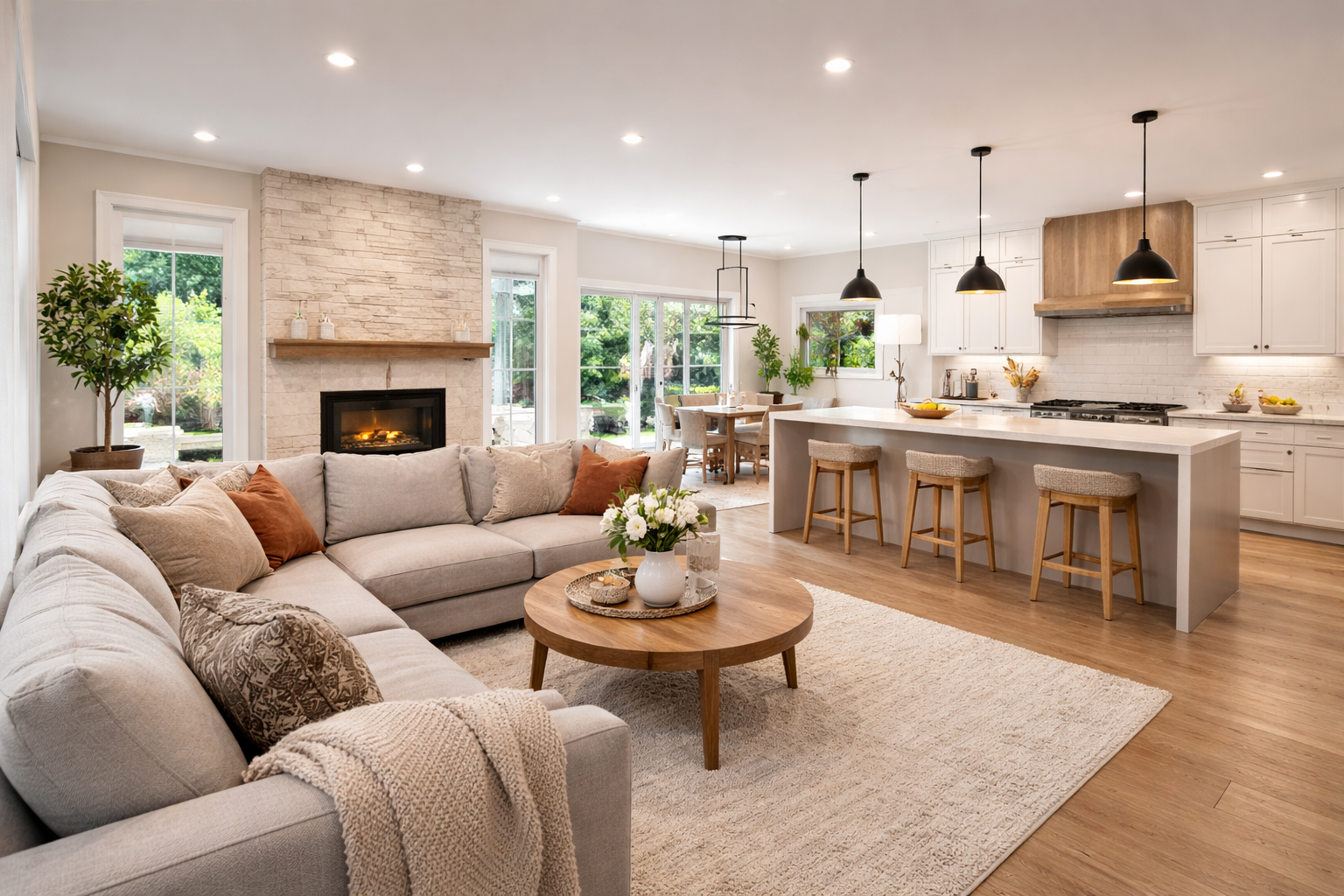
A Practical Guide to Removing Walls, Structural Planning, and Modern Alternatives
For nearly two decades, open concept living has dominated residential design. From reality television shows to new construction homes, the idea of knocking down walls to create large, flowing spaces became the symbol of modern living. Kitchens merged with living rooms, dining areas dissolved into flexible gathering spaces, and homeowners embraced the idea that fewer walls meant more connection, more light, and more freedom.
But as design trends evolve and the way people use their homes continues to change, many homeowners are beginning to ask a thoughtful question:
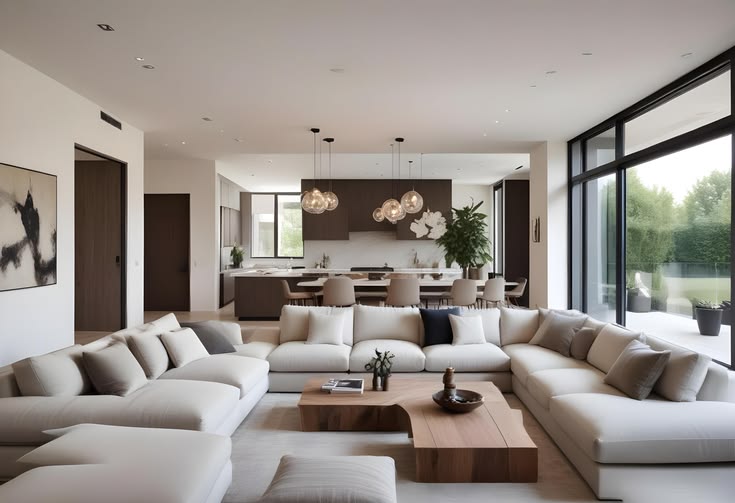
Is open concept living still worth it?
The answer is more nuanced than a simple yes or no.
Open layouts can transform a home when designed correctly. They can create beautiful spaces that feel bright, social, and expansive. But removing walls also comes with structural considerations, design challenges, and lifestyle implications that many homeowners don’t fully anticipate before starting a remodel.
Today’s homeowners are looking for balance — spaces that feel open, yet still offer privacy, structure, and function. The new design conversation isn’t about eliminating walls entirely. Instead, it’s about designing homes that feel connected while still respecting how people actually live.
Let’s explore the real benefits of open concept living, the construction realities behind removing walls, and the modern alternatives that many designers and contractors are now recommending.
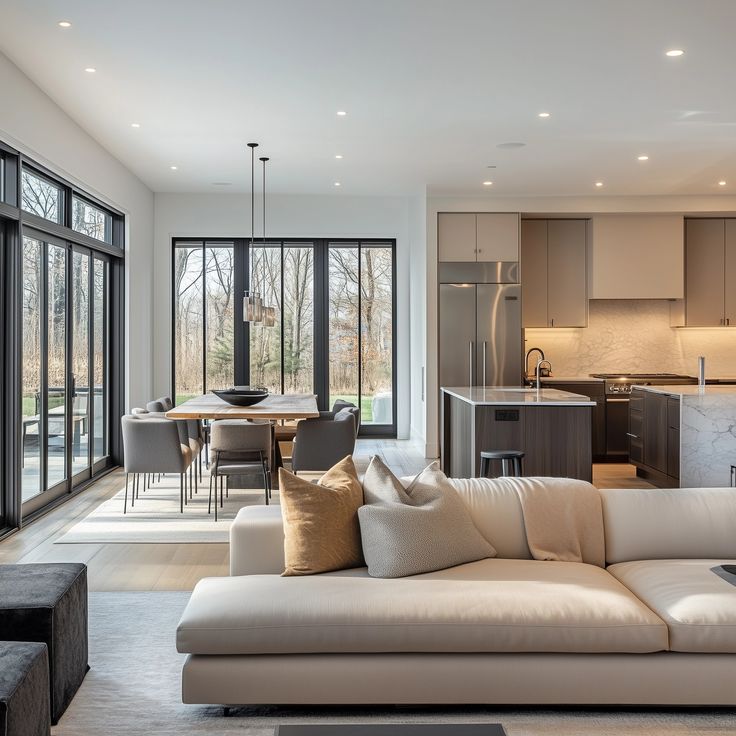
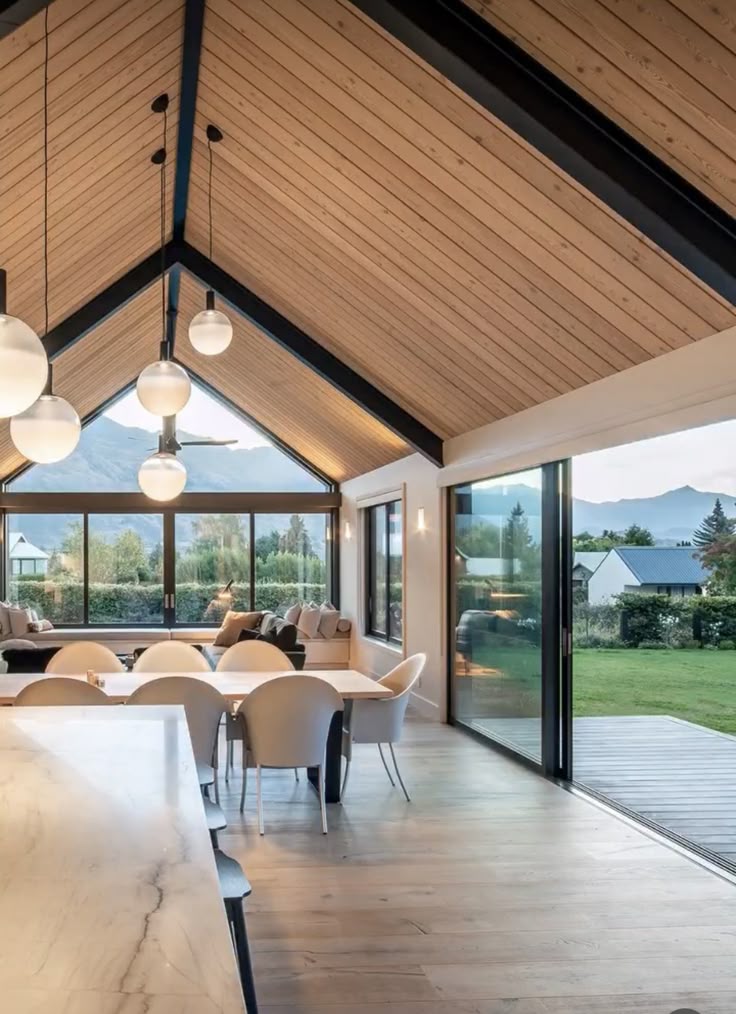
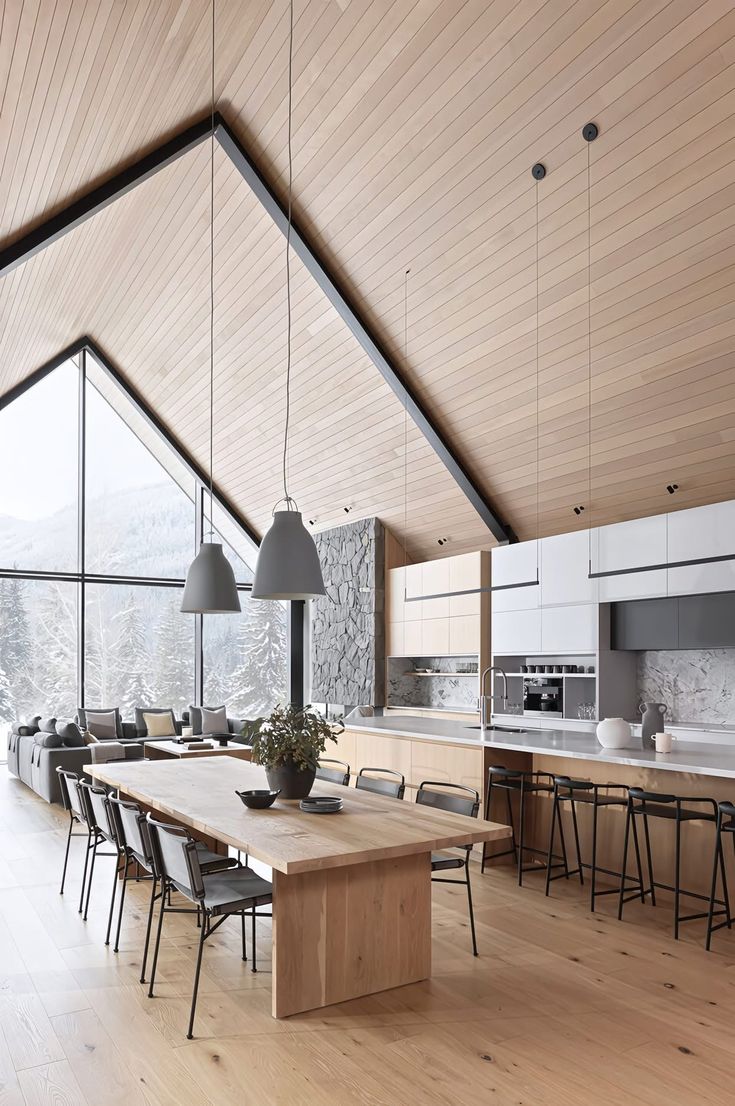
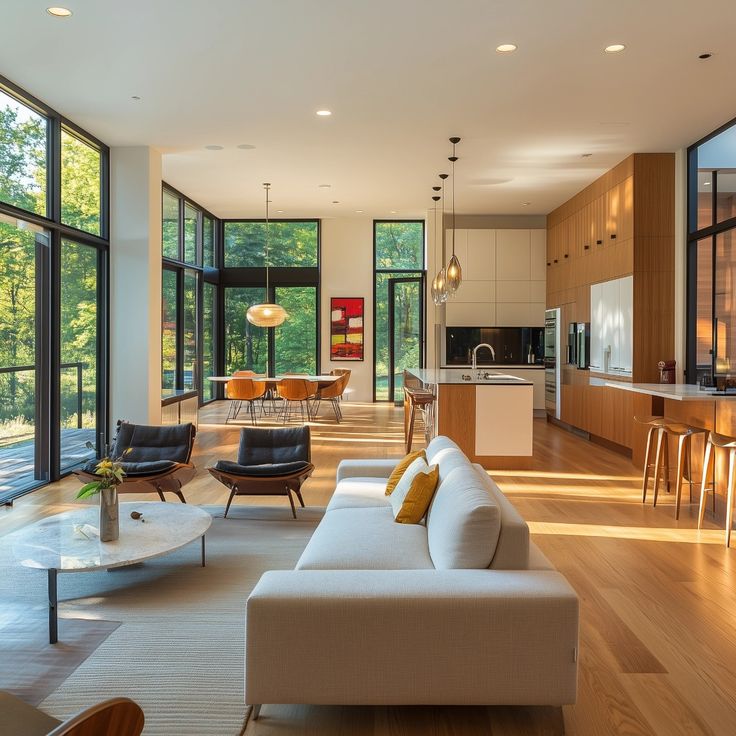
Why Open Concept Living Became So Popular
To understand where the trend is going, it helps to understand how it started.
Traditional homes built in the mid-20th century often had compartmentalized layouts. Kitchens were small and separated from living spaces. Dining rooms were closed off. Hallways connected rooms like a series of boxes.
This design made sense in earlier decades when the kitchen was considered a utilitarian workspace rather than a social hub. Cooking was hidden from guests, and entertaining happened primarily in formal living areas.
As lifestyles changed, these layouts began to feel restrictive.
Families wanted to cook while talking with guests. Parents wanted to watch children while preparing meals. Natural light became more valuable, and homeowners began to prioritize openness and visual flow.
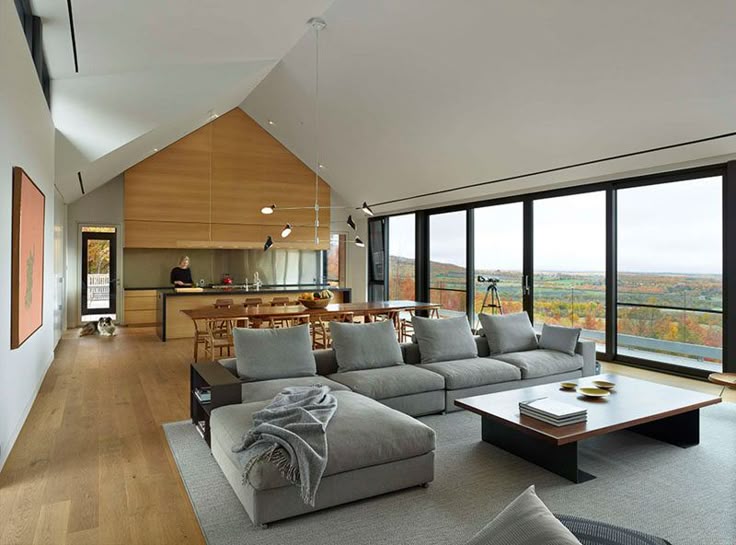
Open concept layouts solved these problems by combining spaces. The kitchen, dining room, and living room could exist as one continuous environment, encouraging interaction and maximizing light.
The result felt modern, relaxed, and social.
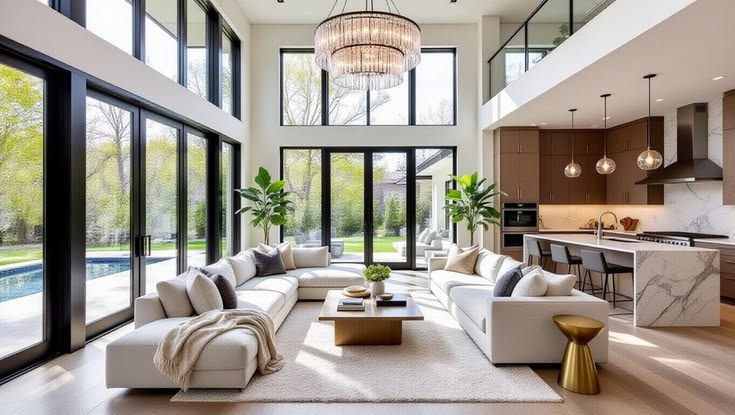
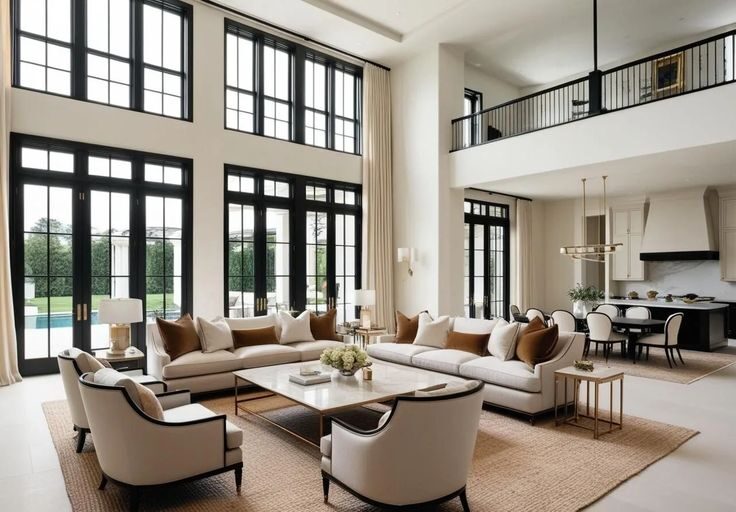
The Benefits of Open Concept Layouts
Even today, open concept design offers several meaningful advantages when executed thoughtfully.
Improved Natural Light
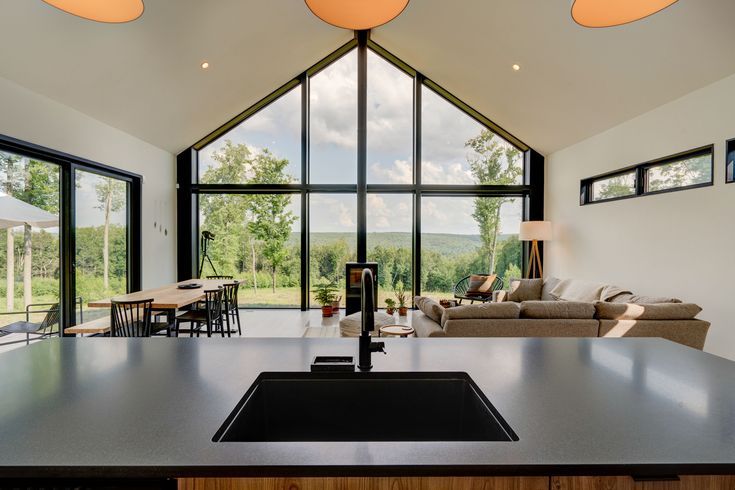
Walls block light. Removing them allows daylight to travel further through a home, making interiors feel brighter and more inviting. This is especially important in older homes where windows may be limited.
Better Social Interaction
Open spaces make entertaining easier. Guests can move freely between the kitchen, living area, and dining space without feeling separated from the host.
A Larger Feeling Space
Even if the square footage stays the same, open layouts can make homes feel significantly larger. When sightlines extend across multiple areas, the brain perceives the space as more expansive.
Flexible Living
Open rooms allow furniture layouts to evolve as needs change. A dining area might double as a workspace, or a large living area might host gatherings, movie nights, or family activities.
For many homeowners, these benefits remain highly appealing.
However, open concept design is not without tradeoffs.
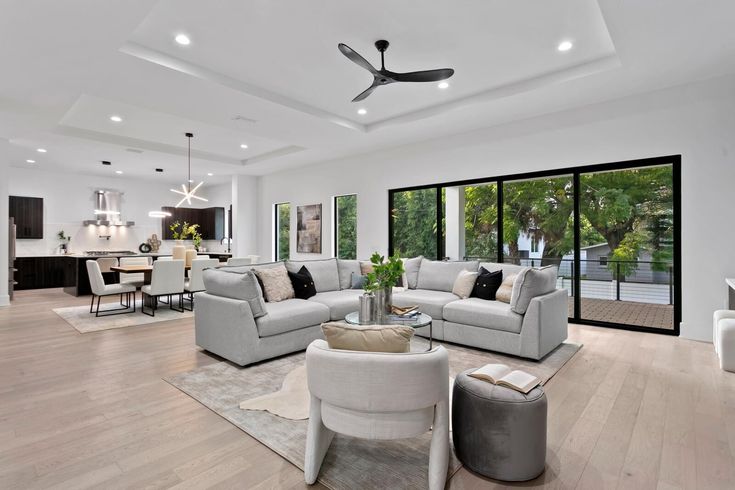
The Challenges of Fully Open Layouts
In recent years, some homeowners have started to reconsider whether fully open homes truly support daily life.
Noise Travels Easily
Without walls, sound moves freely throughout the space. Cooking noise, television audio, children playing, and conversations can overlap in ways that make the home feel chaotic.
Less Privacy
Working from home has changed how people use their spaces. Fully open layouts can make it difficult to find quiet zones for work, study, or relaxation.
Design Complexity
Ironically, open spaces are often harder to design well. Without architectural boundaries, furniture placement, lighting, and materials must work harder to define zones.
Cooking Visibility
While open kitchens encourage connection, they also reveal everything happening inside them. Not every homeowner enjoys having cookware, dishes, and meal preparation fully visible to guests.
Because of these challenges, designers are increasingly exploring ways to preserve openness while introducing subtle structure.
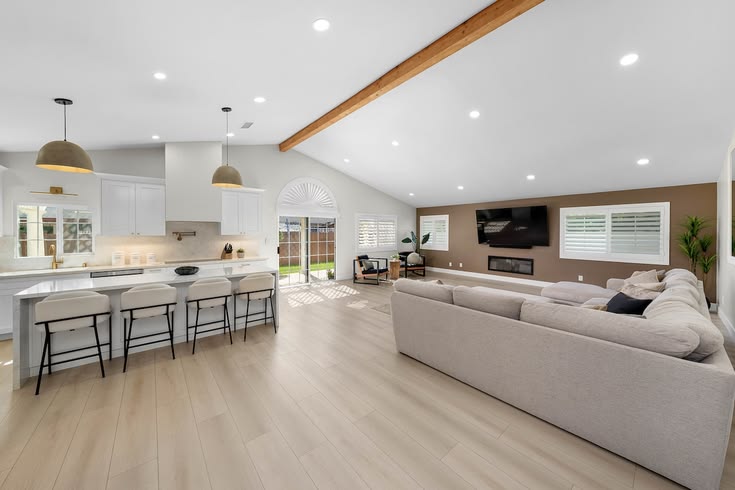
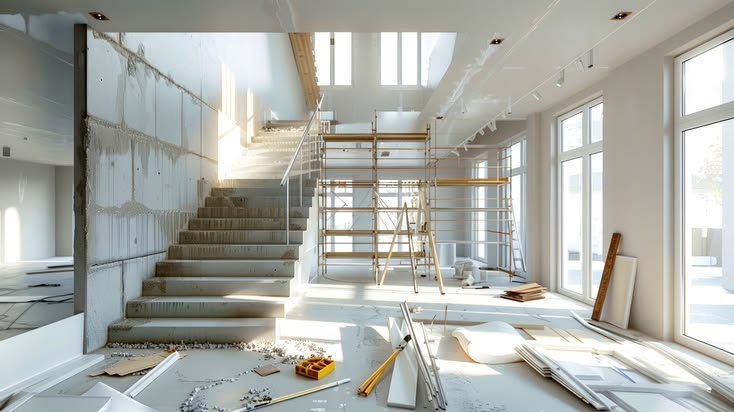

The Structural Reality of Removing Walls
Before discussing design alternatives, it’s important to address one critical factor: structure.
Many homeowners assume that removing a wall is a simple demolition project. In reality, some walls play a vital role in supporting the home.
Load-Bearing Walls
A load-bearing wall supports the weight of the structure above it — including floors, roof systems, and sometimes additional walls. Removing it without reinforcement could compromise the entire building.
If a wall is load-bearing, it typically must be replaced with structural support such as a beam or column.
Structural Engineering
When contractors remove a structural wall, an engineer usually determines the correct beam size and support system. This ensures the load is safely redistributed.
Depending on the span, the beam might be steel, engineered lumber, or laminated wood.
Permits and Inspections
In most cities, removing structural walls requires permits and inspections. These approvals ensure that modifications meet safety standards and local building codes.
Hidden Systems
Walls often contain plumbing, electrical wiring, HVAC ducts, or gas lines. Relocating these systems adds complexity and cost to the project.
Because of these factors, professional planning is essential before removing any wall.
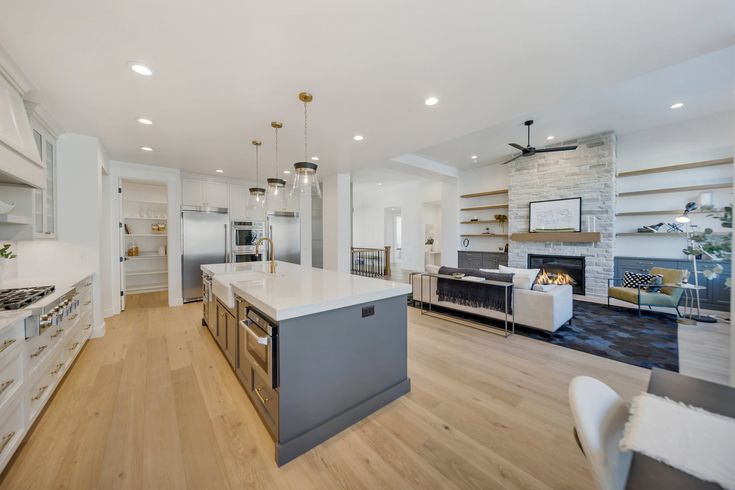
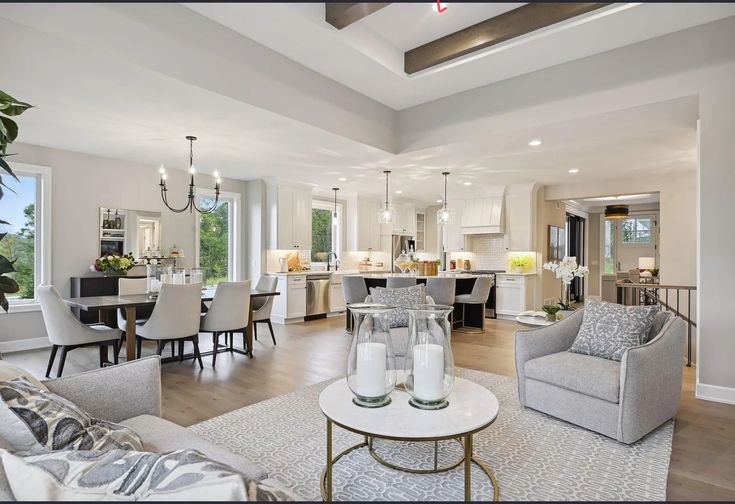
Designing Open Spaces That Actually Work
If a wall is removed successfully, the next challenge becomes design.
Without walls to define rooms, designers must use other strategies to create organization and visual harmony.
Flooring Continuity
Using consistent flooring across the entire open area helps unify the space and enhance visual flow.
Ceiling Treatments
Subtle ceiling changes, beams, or lighting placement can help distinguish zones within a larger room.
Furniture Layout
Strategic furniture placement becomes critical. Sofas, rugs, and dining tables can help establish separate functional areas within the open layout.
Lighting Layers
Pendant lights above an island, chandeliers over dining tables, and floor lamps in living areas can create visual anchors.
These design techniques allow large spaces to feel structured rather than empty.
Modern Alternatives to Fully Open Layouts
Today, many architects and designers are exploring “semi-open” layouts that balance openness with privacy.
These solutions maintain visual connection while preserving functional boundaries.
Partial Walls
Half walls or short partition walls can subtly define spaces while keeping sightlines open.
Glass Dividers
Glass panels or steel-framed partitions allow light to pass through while creating separation between rooms.
Pocket Doors
Sliding pocket doors provide flexibility. Spaces can remain open most of the time but close when privacy is needed.
Wide Doorways
Instead of eliminating walls entirely, some designs simply widen doorways or openings to create better flow.
Architectural Openings
Large cased openings between rooms allow communication between spaces while maintaining architectural structure.
These alternatives are becoming increasingly popular because they offer the best of both worlds.
Open Kitchens: Still the Heart of the Home
Even as layouts evolve, the kitchen remains central to modern living.
Instead of completely open kitchens, many homeowners are choosing “visually connected” kitchens.
These kitchens often include:
Large islands that face living areas
Partial walls that hide cooking zones
Butler’s pantries for preparation and storage
Glass partitions that maintain openness
This approach allows the kitchen to stay social without exposing every detail.
Considering Your Lifestyle
Before deciding whether to remove walls, homeowners should consider how they actually use their homes.
Some important questions include:
Do you frequently host guests?
Do you prefer quiet spaces for reading or work?
Do you enjoy cooking privately or socially?
How important is natural light throughout the home?
Do you need flexibility for remote work?
The right layout should reflect daily routines rather than trends.
The Cost of Removing Walls
Costs vary widely depending on structural complexity.
A simple non-load-bearing wall removal may be relatively straightforward. Structural walls require beams, engineering, permits, and additional labor.
Factors that influence cost include:
Structural reinforcement
Electrical relocation
HVAC adjustments
Plumbing relocation
Finishing work
Permit requirements
Professional consultation helps determine the most efficient approach.
Is Open Concept Living Still Worth It?
The answer depends entirely on how the design is executed.
Open layouts can feel extraordinary when they balance light, structure, and function. They can transform older homes into modern living environments that feel spacious and welcoming.
But the most successful designs today avoid extremes. Instead of removing every wall, many homeowners are creating layered openness — spaces that feel connected while still offering definition and comfort.
The future of residential design is not about eliminating walls entirely.
It’s about designing homes that support how people truly live.
Final Thoughts
Open concept living remains a powerful design tool, but it works best when guided by thoughtful planning, structural expertise, and an understanding of everyday life.
Walls can be removed.
Spaces can be connected.
But great design ensures that openness enhances comfort rather than sacrificing it.
The goal is not simply to create a larger room.
The goal is to create a home that feels balanced, functional, and beautifully suited to the people who live inside it.
Recent Blogs
- From Outdated to Iconic: Real Remodeling Transformations in Beverly Hills Homes
- How to Design a High-End Home Remodel in Beverly Hills Without Overpaying
- Beverly Hills Kitchen & Bathroom Remodel Trends for August 2026
- Luxury Home Remodeling in Beverly Hills: What Homeowners Are Investing in This Summer
- Modern Kitchen Remodels in Beverly Hills (July 2026): Highland USA’s Design, Materials & ROI Guide