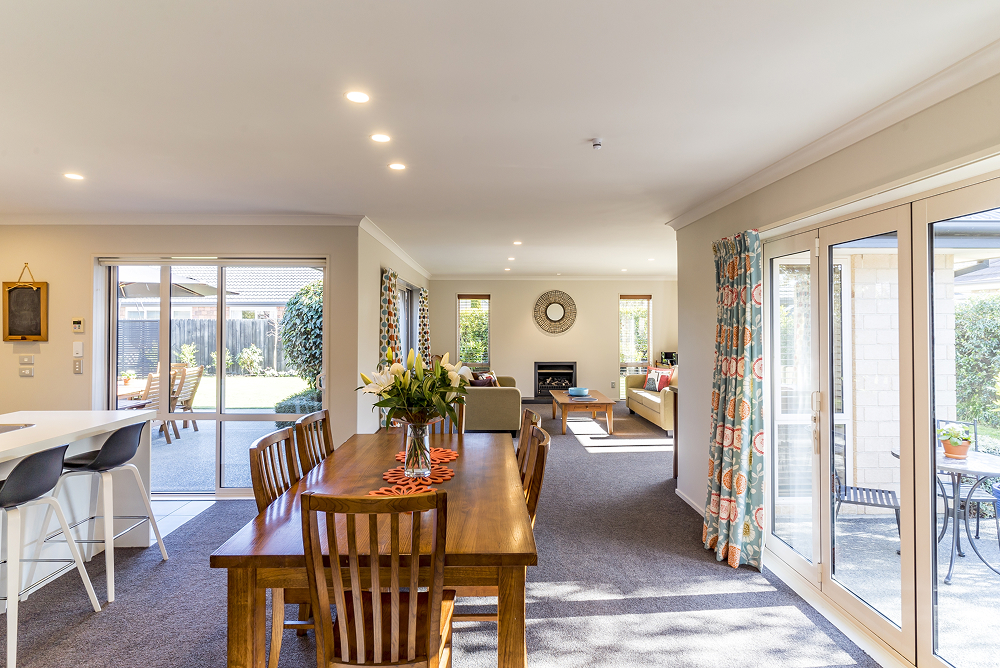
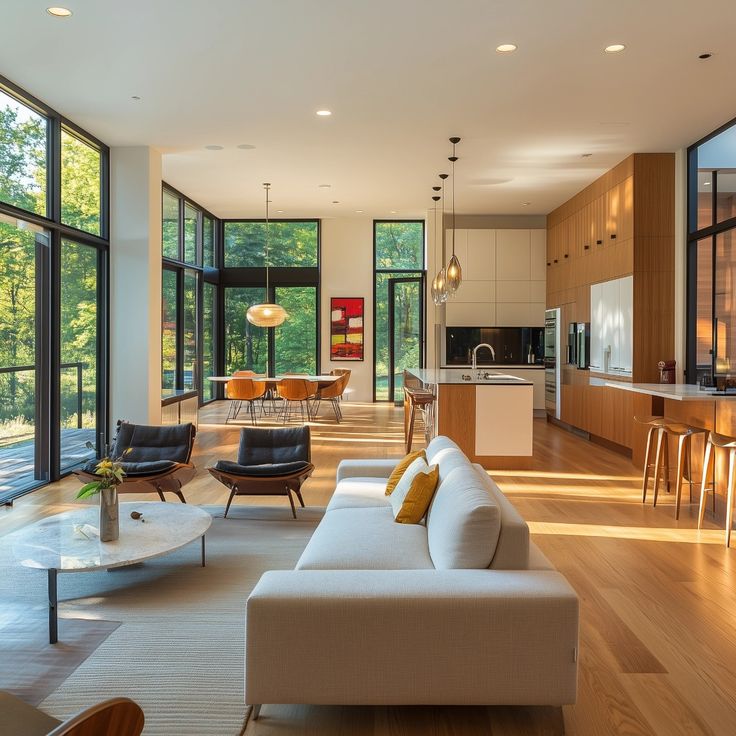
In Los Angeles, a room addition is a strategic decision—one that affects your lifestyle, property value, permits, timeline, and long-term return on investment.
“We love our neighborhood… we just need more space.”
- Is my property even eligible for an addition?
- How long will this take in LA?
- What will it cost—and will I get my money back?
- Do I need permits, HOA approval, or city inspections?
- How disruptive will construction be?
This guide walks you through the entire room addition process in Los Angeles, from the first phone call with a contractor to the day you move into your new space—without surprises.

Why Room Additions Are So Popular in Los Angeles
Los Angeles is unique.
Between high home prices, limited inventory, and strict zoning, moving isn’t always the smartest option.
For many homeowners, adding space makes more sense than buying a bigger home because:
- You avoid selling costs, capital gains taxes, and relocation stress
- You stay in the neighborhood you already love
- You significantly increase property value
- You customize the space exactly to your lifestyle
Common reasons LA homeowners choose room additions:
- Growing families
- Multi-generational living
- Remote work or home offices
- Aging-in-place planning
- Increasing resale value before selling
Step 1: Is a Room Addition Even Possible on Your Property?
In Los Angeles, not every property can be expanded the same way. A professional contractor evaluates:
1. Zoning and Lot Coverage
Each neighborhood has zoning rules that determine:
- Maximum buildable square footage
- Setback requirements (distance from property lines)
- Height limits
These rules vary by area, so what works in one LA neighborhood may not work in another.
2. Structural Conditions
Your existing home must be evaluated to ensure it can support:
- A horizontal expansion
- A second story (if applicable)
- Foundation modifications
Older homes often require reinforcement before expanding.
3. Utility Capacity
Electrical, plumbing, sewer, and HVAC systems must handle the added load.
Upgrades are common—and should be planned early.

4. HOA & Historic Restrictions
Some neighborhoods require:
- HOA approval
- Design conformity
- Special historic preservation permits
Skipping this step can delay a project by months.
Bottom line:
A professional feasibility assessment saves time, money, and frustration.
Step 2: Planning Your Room Addition the Right Way
It’s about integration—making the new space feel like it always belonged there.
Choosing the Right Type of Room Addition
- Primary bedroom suites
- Family room expansions
- Home offices
- Guest rooms
- Sunrooms or flex spaces
- Ground-floor bedrooms for aging parents
Each has different design, cost, and permit implications.
Matching the Addition to Your Home’s Architecture
Good contractors design additions that:
- Match rooflines and exterior materials
- Align window proportions
- Preserve curb appeal
- Blend seamlessly with existing layouts
Step 3: Budgeting — What Does a Room Addition Cost in LA?
This is usually the first question homeowners ask—and for good reason.
Typical Room Addition Cost Ranges in Los Angeles
- Basic room addition: higher five figures
- Mid-range addition: low to mid six figures
- High-end or structural additions: mid six figures and up
- Size and complexity
- Foundation work
- Structural changes
- Finish level
- Permit requirements
Hidden Costs Homeowners Often Miss
- Architectural plans and engineering
- Permit and inspection fees
- Utility upgrades
- Temporary living arrangements (if needed)
- Design revisions
A transparent contractor will outline these upfront.
Step 4: Permits, Approvals, and LA Regulations
What Permits Are Typically Required?
Most room additions require:
- Building permits
- Electrical permits
- Plumbing permits
- Structural engineering approvals
- Several weeks to several months
- Longer timelines in high-demand areas
- Additional time for corrections or revisions
Step 5: Construction Timeline — From Demo to Move-In
Typical Room Addition Timeline
- Site preparation & demolition
- Foundation work
- Framing
- Roofing
- Electrical & plumbing rough-ins
- Inspections
- Insulation & drywall
- Flooring, cabinetry, finishes
- Final inspections
- Move-in
Most room additions take several months, depending on complexity and inspections.
Will You Need to Move Out?
- Noise
- Dust
- Temporary utility disruptions
Clear communication makes the process manageable.
Step 6: Return on Investment (ROI) — Is It Worth It?
Factors That Increase ROI:
- Adding bedrooms or bathrooms
- Creating functional living space
- Matching neighborhood standards
- High-quality finishes
- Proper permitting
Factors That Reduce ROI:
- Poor design integration
- Overbuilding for the neighborhood
- Unpermitted work
- Cheap materials
Common Mistakes LA Homeowners Make (And How to Avoid Them)
- Starting design before feasibility
- Choosing the cheapest contractor
- Underestimating permit timelines
- Ignoring HOA rules
- Not planning for future resale
The best projects start with education, transparency, and experience.
Final Thoughts: Is a Room Addition Right for You?
- Understands Los Angeles regulations
- Designs with long-term value in mind
- Communicates clearly
- Plans thoroughly
- Builds with quality and care
A well-executed room addition doesn’t just add space—it transforms how you live in your home.
Ready to Explore a Room Addition?