Modern vs Traditional Bathroom Design: Which Is Right for You? (Expert Remodel Guide)
Published on: May 25, 2026
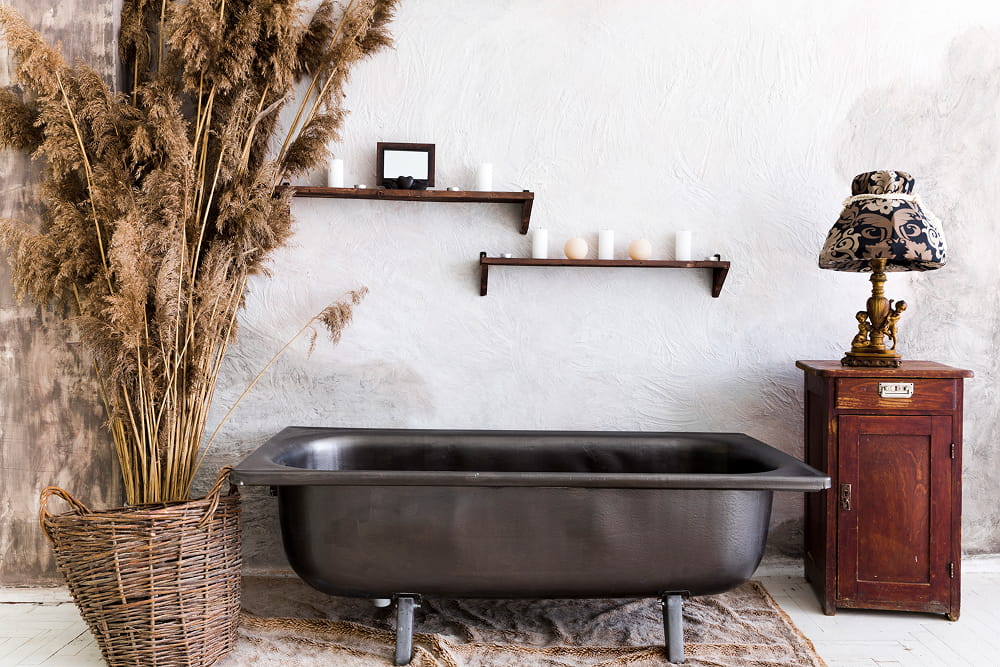
The design choice that can make (or break) your bathroom remodel
Most homeowners dont get stuck choosing between a walk-in shower and a tub.
They get stuck on something bigger:
Should my bathroom be modern or traditional?
Because once you choose a direction, everything followstile, vanity style, lighting, fixtures, paint colors, even the type of mirror that looks right. And if you mix the wrong elements, you can end up with a bathroom that feels confusing: part spa, part vintage, part builder-grade.
This guide will help you decide between modern vs traditional bathroom design (or a smart blend of both) based on your homes architecture, your lifestyle, your budget, and resale goalswith actionable tips, real examples, and common mistakes to avoid.
Quick answer: Modern vs traditional bathroom design (how to choose)
If you want the simplest decision framework, use this:
- Choose a modern bathroom design if you want clean lines, minimal maintenance, a spa feel, and a look that fits contemporary or updated homes.
- Choose a traditional bathroom design if you want warmth, timeless details, classic materials, and a look that fits older homes or more formal interiors.
- Choose a transitional bathroom design (the most popular safe choice) if you want a timeless base with a few modern upgrades.
A good rule: match the bathroom to the home, then tailor it to your lifestyle.
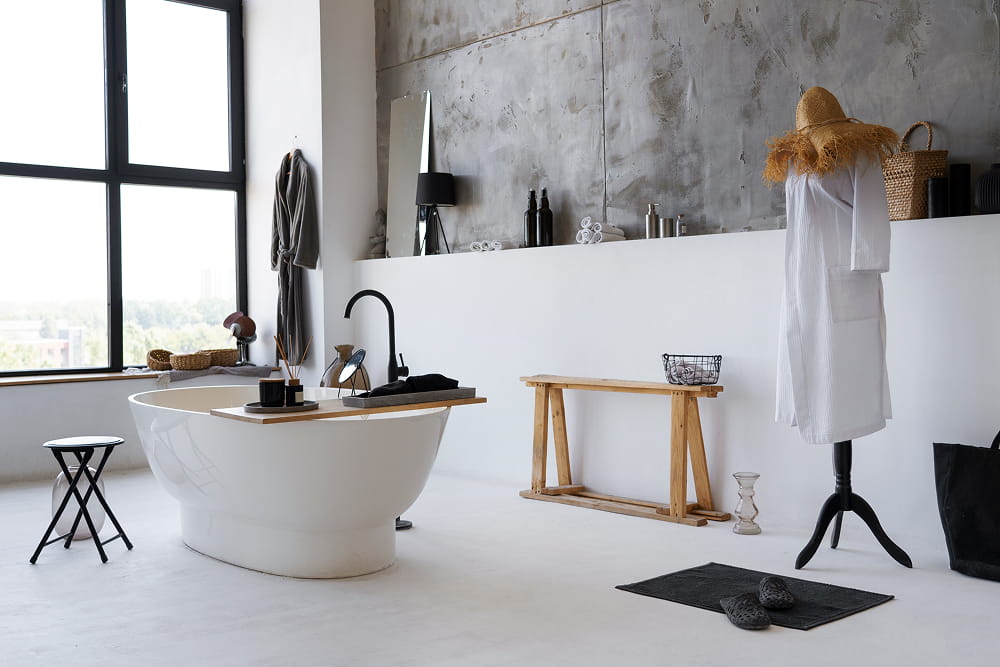
Modern bathroom design: Pros, cons, and best-fit scenarios
Pros of modern bathrooms
- Feels bigger (especially in small bathrooms)
- Easier to clean (fewer crevices and ornate details)
- Spa-like with the right lighting and materials
- Works well with walk-in showers and minimal glass
Cons of modern bathrooms
- Can feel cold if you dont add warmth (wood tones, texture)
- Trend risk if you go too extreme (overly bold tile, ultra-dark finishes)
- Requires disciplinetoo many finishes can ruin the minimal look
Best for
- Contemporary homes
- Recently renovated homes
- Small bathrooms that need to feel open
- Homeowners who want low maintenance
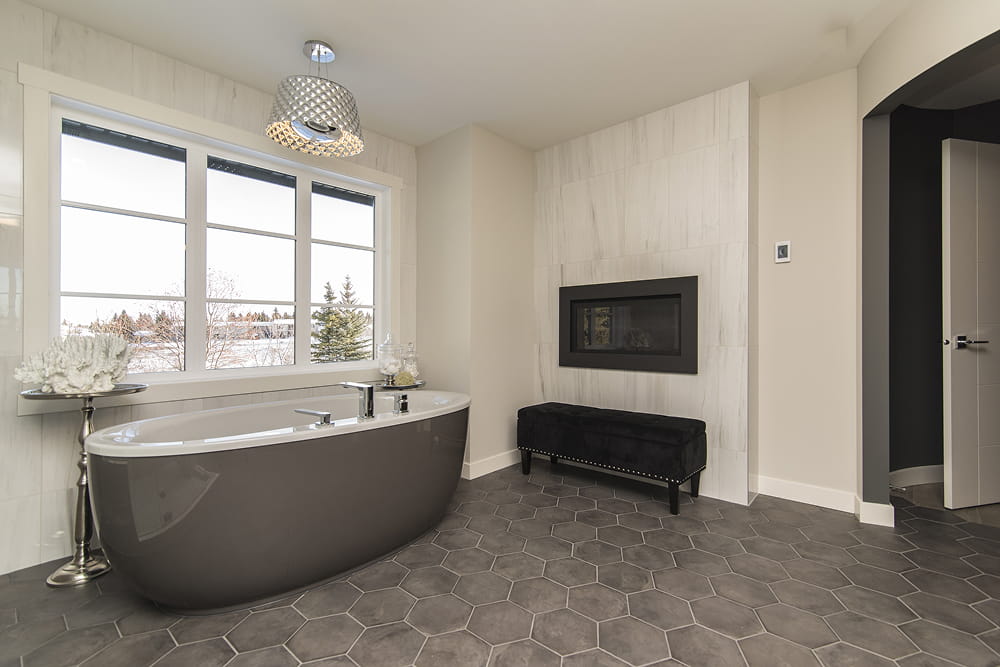
Bathtub: Pros, cons, and who it’s best for
Bathtubs range from practical alcove tubs to freestanding statement tubs.
Bathtub pros
- Strong family functionality (kids, pets)
- Resale-friendly in many markets (buyers often want at least one)
- Relaxation/soaking (especially with deeper tubs)
- Can be cost-effective if you’re keeping plumbing in place
Bathtub cons
- Harder to step into for some homeowners (accessibility)
- Can feel dated if it’s a bulky tub/shower combo with a curtain
- Freestanding tubs can be more aesthetic than practical (cleaning around them, water splashing)
Best for
- Homes with young children
- Anyone who takes baths regularly
- Homes that currently have no bathtub
- Guest bathrooms where a tub increases flexibility
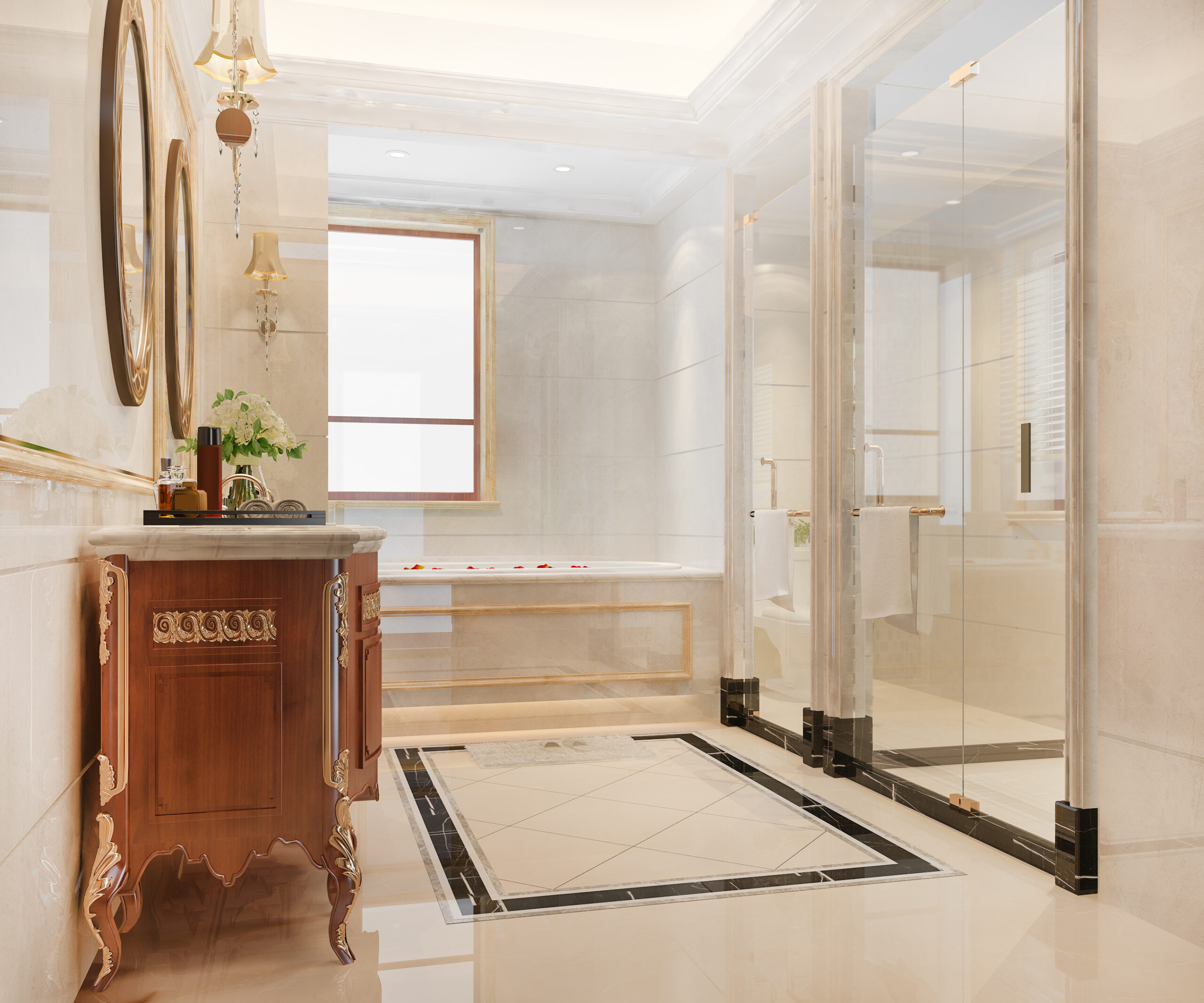
Traditional bathroom design: Pros, cons, and best-fit scenarios
Pros of traditional bathrooms
- Timeless appeal (especially when done with classic materials)
- Adds character and warmth
- Pairs beautifully with older homes and classic interiors
- Can hide everyday wear better than ultra-minimal designs
Cons of traditional bathrooms
- More detail can mean more cleaning (molding, decorative hardware)
- Some traditional materials require more maintenance (natural stone, certain grout styles)
- Can feel visually busy in a very small bathroom if not balanced
Best for
- Older homes with classic architecture
- Homeowners who want warmth and detail
- Bathrooms where you want a heritage look

The smartest way to decide: 6 questions to answer before choosing a style
1) What style is your home?
If your home is Spanish, Craftsman, Colonial, or traditional, a fully modern bathroom can feel out of place. If your home is contemporary, a heavily traditional bathroom can feel disconnected.
Pro tip: You dont have to match perfectlybut you should rhyme with the home.
2) Who uses this bathroom (and how)?
- Kids? Prioritize durability and easy cleaning.
- Guests? Prioritize a polished, universally appealing look.
- Primary bath? Prioritize comfort and daily enjoyment.
3) Do you want a tub, a shower, or both?
Modern styles often favor walk-in showers. Traditional styles often incorporate tubs more naturally.
4) How much maintenance are you willing to do?
If you hate sealing stone or scrubbing grout, choose materials that support your lifestyleregardless of style.
5) Whats your timeline and budget?
Some looks require more labor (intricate tile patterns, custom millwork). A great contractor can help you spend where it matters.
6) Are you remodeling for resale?
If resale is a priority, transitional often wins: timeless, clean, broadly appealing.
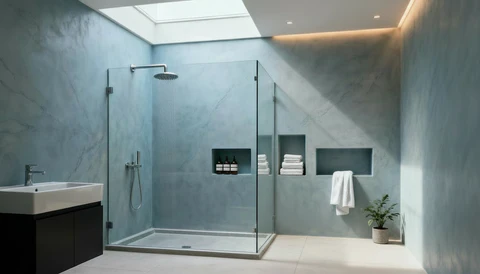
Modern bathroom design ideas (that still feel warm)
Modern doesnt have to mean sterile.
Use warm wood tones
A white oak or walnut vanity adds warmth without losing the clean look.
Choose textured tile instead of busy patterns
Think subtle texture: fluted surfaces, matte finishes, stone-look porcelain.
Mix metals intentionally
Use one dominant finish (like brushed nickel) and one accent (like matte black).
Add layered lighting
Modern bathrooms look best with:
- Recessed ambient lighting
- Vanity sconces or a clean bar light
- Accent lighting (niche lighting or under-vanity glow)
Traditional bathroom design ideas (that dont feel dated)
Traditional bathrooms can feel fresh when you modernize the right elements.
Keep classic tile, modernize the layout
Subway tile can look timeless when paired with:
- Larger tile sizes
- Cleaner grout lines
- A simple niche instead of a busy border
Choose timeless fixtures
Chrome and brushed nickel are classic for a reasonthey age well.
Upgrade storage discreetly
Traditional style doesnt mean clutter. Add:
- Recessed medicine cabinets
- Drawer organizers
- Linen storage that matches the vanity
Transitional bathrooms: The safe choice that still looks custom
If youre torn, transitional is often the best answer.
What transitional looks like
- Shaker-style vanity (classic but clean)
- Quartz countertop (low maintenance)
- Subway or large-format tile (timeless)
- Brushed nickel fixtures (resale-friendly)
- Clean-lined mirrors and lighting
Why it converts well (and sells well)
Transitional bathrooms feel updated without feeling trendywhich makes them easier to love now and easier to sell later.
Materials and finishes: How style affects your selections
Style isnt just visualit changes what materials look right.
Tile
- Modern: large-format, slab-look, minimal grout
- Traditional: subway, mosaic accents, classic patterns
- Transitional: subway or larger tile with simple layouts
Vanities
- Modern: flat-panel, floating, minimal hardware
- Traditional: furniture-style, inset doors, decorative hardware
- Transitional: shaker, clean hardware, practical drawers
Lighting
- Modern: streamlined bars, minimal sconces
- Traditional: classic sconces, warmer tones
- Transitional: simple sconces with warm finishes
Fixtures
- Modern: matte black, minimal profiles
- Traditional: chrome, brushed nickel, classic shapes
- Transitional: brushed nickel, simple silhouettes
Real-world examples: Which style fits which homeowner?
Example 1: The low-maintenance homeowner
Best fit: Modern or transitional
- Large-format tile in shower
- Quartz vanity top
- Minimal grout
- Simple fixtures with available replacement parts
Example 2: The character-home homeowner
Best fit: Traditional or transitional
- Classic tile
- Furniture-style vanity
- Warm lighting
- Timeless metals
Example 3: The resale-focused remodel
Best fit: Transitional
- Neutral palette
- Quality fixtures
- Durable materials
- Clean, broadly appealing design
Recent Blogs
Luxury Bathroom Remodeling
Bathroom Remodel Checklist
Luxury Bathroom Remodel Cost (2026)
Best Tile for Bathrooms: Pros, Cons, and Costs
Bathroom Remodel Portfolio / Before & After
Common mistakes people make (and how to avoid them)
Avoid these and your bathroom will feel cohesive and high-end:
- Going fully modern in a traditional home without a transition plan
- Mixing too many finishes (it looks accidental, not curated)
- Choosing style over maintenance (then hating the upkeep)
- Overusing trendy materials that date quickly
- Ignoring lighting (even great tile looks bad in poor light)
- Skipping storage planning (clutter ruins any style)
- Cutting corners on waterproofing (style wont matter if it leaks)
FAQs: Modern vs traditional bathroom design
Is modern or traditional bathroom design better for resale?
Transitional bathrooms often perform best for resale because they feel updated but timeless. Modern can also sell well when its warm and not overly trendy. Traditional works best when it matches the homes architecture.
What is a transitional bathroom style?
A transitional bathroom blends classic and modern elementsfor example, a shaker vanity with quartz countertops, timeless tile, and clean-lined lighting. Its designed to feel current without being trend-dependent.
Can you mix modern and traditional in a bathroom?
Yes, but it should be intentional. Choose one dominant style and use the other as an accent. For example, a classic vanity with modern lighting, or modern tile with traditional fixtures.
What colors are best for modern bathrooms?
Modern bathrooms often use whites, warm neutrals, grays, and black accents. Adding natural wood tones or textured tile helps prevent the space from feeling cold.
What tile is best for a traditional bathroom?
Subway tile, classic mosaics, and timeless patterns work well in traditional bathrooms. Use durable materials and choose grout colors that fit your maintenance comfort level.
How do I keep a traditional bathroom from looking dated?
Use classic foundations (tile, vanity shape) but modernize the details: cleaner layouts, better lighting, updated mirrors, and quality fixtures. Avoid overly busy borders and too many competing patterns.
How do I choose between a modern shower and a traditional tub?
Choose based on lifestyle and household needs. Walk-in showers are convenient and modern, while tubs can be important for families or resale. A common compromise is keeping one tub in the home and using a walk-in shower in the primary bath.
Pick the style that fits your homeand your daily life
Modern vs traditional bathroom design isnt about whats best. Its about whats best for you.
If you want clean, low-maintenance, spa-like simplicity, lean modern. If you want warmth, timeless detail, and classic character, lean traditional. And if you want the safest, most flexible option, transitional is your sweet spot.
Want help choosing a bathroom design direction and materials that actually fit your home and budget? Schedule a consultation to get a clear plan, avoid expensive style mistakes, and build a bathroom youll love for years.