Is It Time to Remodel Your Bathroom? 7 Signs You Shouldn’t Ignore
Published on: May 5, 2026
When your bathroom becomes a daily stressor
A bathroom shouldn’t be the room that starts your day with frustration.
But for a lot of homeowners, it quietly becomes exactly that: the shower that never gets hot fast enough, the vanity that’s always cluttered, the fan that can’t keep up with steam, the tile that looks “fine” until you notice the grout is permanently stained.
The tricky part is this: most bathrooms don’t fail all at once. They decline in small ways—until one day you’re dealing with a leak, mold, or a layout that simply doesn’t work for your life anymore.
If you’ve been wondering whether it’s time, this guide will help you answer it quickly. Below are 7 signs you should remodel your bathroom (and what to do about each one), plus common mistakes to avoid and a FAQ section designed to answer the “People Also Ask” questions you’ll see in Google.
Search intent: Do you need a remodel—or just a refresh?
If you’re searching “is it time to remodel my bathroom,” you likely want one of these outcomes:
- Clarity: Is this a cosmetic update or a full renovation?
- Risk reduction: Are you ignoring a problem that will get expensive?
- A plan: What should you fix first, and what’s worth the money?
This post is primarily informational, but it will also help you make a transactional decision—whether to get quotes, bring in a contractor, or schedule a design consultation.

Quick answer: 7 signs it’s time to remodel your bathroom
If you’re short on time, here’s the list:
- Persistent leaks, water damage, or soft floors
- Mold, mildew, or ventilation problems
- Cracked tile, failing grout, or outdated waterproofing
- Poor layout and daily-function issues
- Not enough storage (and constant clutter)
- Outdated style that hurts resale or confidence
- Your needs changed (aging-in-place, kids, accessibility)
Now let’s break each one down.
Sign #1: You have leaks, water damage, or a “soft” floor
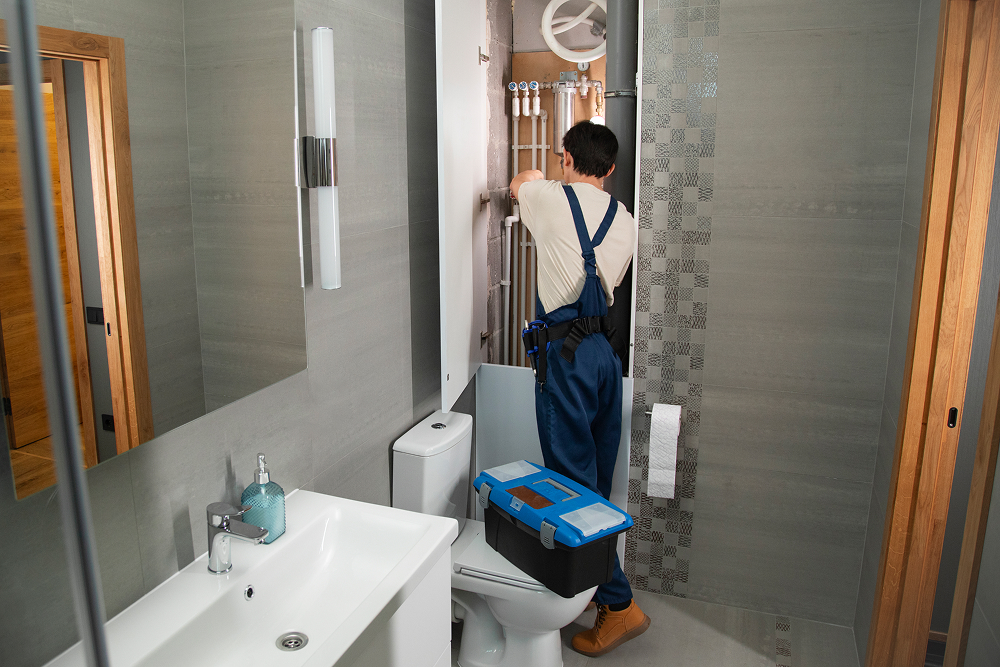
Water is the #1 reason bathrooms become expensive. A small leak can quietly damage subflooring, framing, drywall, and even nearby rooms.
What to look for
- Bubbling paint or peeling drywall near the shower/tub
- Brown stains on ceilings below the bathroom
- Musty smells that don’t go away
- Loose tiles or a floor that feels spongy
Actionable tips
- Don’t just recaulk and hope. Caulk is not waterproofing.
- If you see repeated issues, get a professional inspection—especially around the shower pan, tub flange, and supply lines.
- If the bathroom is older, assume the waterproofing system may be outdated.
Real example
A homeowner replaces a shower door and regrouts tile, but the shower pan liner is failing. Six months later, the subfloor is compromised and the remodel becomes a structural repair. Catching it early can save thousands.
Sign #2: Mold and mildew keep coming back (even after cleaning)
If you’re constantly fighting mold, it’s often not a cleaning problem—it’s a moisture management problem.
Common causes
- Undersized or failing exhaust fan
- Poor ducting (or venting into an attic)
- Cold surfaces + humidity (condensation)
- Leaks behind walls
What a remodel can solve
- Correct ventilation sizing and placement
- Better shower enclosure design (reduces overspray)
- Moisture-resistant materials and paint
Expert insight
A bathroom fan should be sized to the room and installed correctly. In many older bathrooms, the fan exists—but it doesn’t actually move moisture out efficiently. During a remodel, upgrading ventilation is one of the highest-ROI “invisible” improvements.
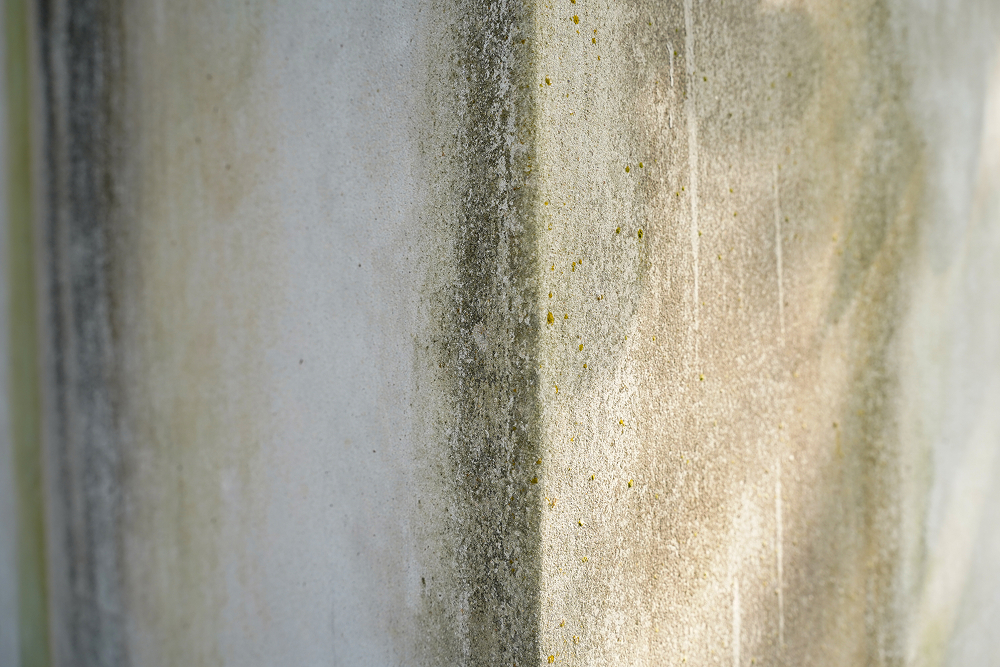
Sign #3: Tile is cracked, grout is failing, or the shower feels “tired”
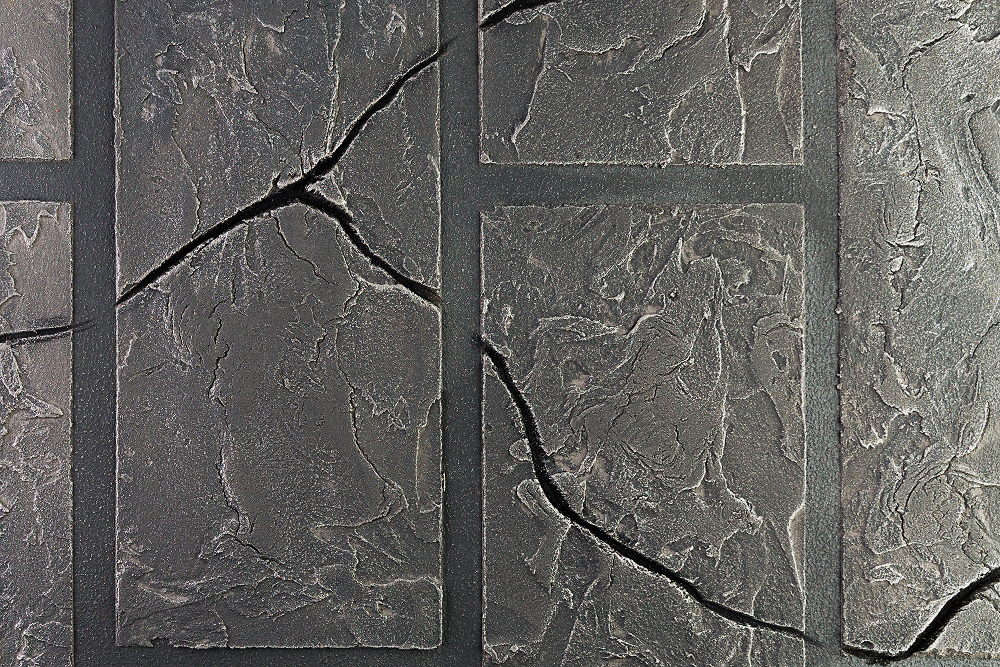
Cracked tile and failing grout aren’t just cosmetic. They can signal movement, moisture intrusion, or a shower system nearing the end of its life.
What to check
- Hairline cracks in tile (especially corners)
- Missing grout or grout that stays dark (moist)
- Loose tiles or hollow sounds when tapped
- Caulk lines that split repeatedly
What to do
- If the issue is isolated and the shower is newer, a targeted repair may work.
- If the shower is older or multiple areas are failing, a remodel is usually the smarter long-term move.
Pro tip
If you’re remodeling, prioritize a modern waterproofing approach and plan for maintenance: fewer grout lines (large-format tile), proper slope, and well-designed niches.
Sign #4: The layout doesn’t work (and you feel it every day)
A bathroom can look “nice” and still be wrong.
If you’re bumping into doors, squeezing past a vanity, or dealing with a shower that feels cramped, you’re experiencing a layout problem—not a decor problem.
Layout red flags
- Door hits the toilet or vanity
- Toilet feels too close to the shower or wall
- Vanity is too small for two people
- Shower is narrow or awkwardly placed
Actionable tips
- Start with function: clearances, door swings, storage zones.
- Consider a curbless shower or a glass panel to open up the room visually.
- If you’re moving plumbing, get a contractor involved early to avoid budget surprises.
Real example
Swapping a bulky tub/shower combo for a walk-in shower can create room for a wider vanity and better storage—without increasing the footprint.
Sign #5: You don’t have enough storage (and the bathroom is always cluttered)
Clutter makes a bathroom feel smaller, cheaper, and harder to clean.
Signs storage is failing
- Countertops are permanently covered
- No place for towels, toiletries, or hair tools
- Cleaning supplies live in the shower or on the floor
Remodel upgrades that fix it
- Recessed medicine cabinets (that look like design features)
- Vanity drawers instead of doors
- Shower niches and corner shelves
- Linen towers for small bathrooms
Expert insight
Storage is one of the biggest drivers of “this bathroom feels expensive.” A well-designed vanity with drawers can outperform a larger vanity with poor internal organization.
Sign #6: Your bathroom looks dated—and it’s affecting resale or confidence
Not every dated bathroom needs a full remodel. But if your finishes are stuck in a past decade and you’re planning to sell (or simply want to enjoy your home), it may be time.
Dated signals buyers notice
- Yellowing fiberglass tubs/showers
- Busy tile patterns and heavy borders
- Old lighting that casts shadows
- Worn laminate counters
What’s worth updating
- Lighting (layered: ambient + task)
- Vanity and countertop
- Shower/tub surround
- Flooring
Pro tip
If you’re remodeling for resale, aim for timeless: warm neutrals, durable surfaces, and quality fixtures. Trendy can be great—just keep it controlled.
Sign #7: Your needs changed (and the bathroom didn’t)
Life changes often trigger the best remodel decisions.
Common life-change triggers
- Kids (more storage, easier-to-clean materials)
- Aging-in-place (curbless shower, grab bar blocking, better lighting)
- Multigenerational living
- Work-from-home (you notice the bathroom more)
Accessibility upgrades that still look high-end
- Curbless shower with a built-in bench
- Handheld showerhead + slide bar
- Wider pathways and better door swings
- Anti-slip flooring
Expert insight
The best accessibility upgrades are planned early—before walls close up. Even if you don’t need grab bars today, adding blocking during a remodel is a smart, low-cost future-proofing move.
How to decide: Refresh vs. partial remodel vs. full remodel
If you’re still unsure, use this quick framework.
When a refresh is enough
- Paint, lighting, mirror, hardware
- Vanity top swap
- Minor fixture upgrades
When a partial remodel makes sense
- Replace vanity + flooring
- Update shower surround without moving plumbing
- Improve ventilation and lighting
When you should plan a full remodel
- Leaks/water damage
- Persistent mold/ventilation issues
- Failing shower system
- Layout problems that require reconfiguration
Recent Blogs
Bathroom Remodel Cost Guide
Bathroom Remodel Checklist
Tile vs. Microcement vs. Slab: What’s Best?
Bathroom Remodel Gallery / Before & After
Common mistakes people make (and how to avoid them)
- Treating symptoms instead of the cause Recaulking repeatedly won’t fix a failing waterproofing system.
- Underinvesting in ventilation A beautiful bathroom with poor airflow becomes a maintenance headache.
- Choosing materials that don’t match your lifestyle High-maintenance finishes can be a regret if you have hard water, kids, or limited time to clean.
- Overdesigning the space Too many patterns, metals, and textures can make the room feel smaller and dated faster.
- Skipping lighting planning Overhead-only lighting creates unflattering shadows. Plan task lighting at the mirror.
- Not planning storage early Storage is easiest to build into the design—not add later.
- Hiring based on the lowest bid Bathrooms are technical. Waterproofing, slope, and installation quality matter more than the cheapest quote.
FAQs
How do I know if I need to remodel my bathroom?
You likely need a remodel if you have persistent leaks, mold, failing tile/grout, poor layout, or chronic storage issues. If problems repeat after repairs, a remodel is often more cost-effective long term.
What is the average lifespan of a bathroom before remodeling?
Should I remodel my bathroom before selling my house?
Often, yes—especially if the bathroom is visibly dated or has functional issues. A clean, bright, well-designed bathroom can improve buyer confidence and reduce negotiation pressure.
What are the first things to replace in an outdated bathroom?
Start with lighting, vanity/countertop, mirror, and fixtures. These changes can dramatically modernize the space without a full renovation.
Is it cheaper to remodel a bathroom or keep repairing it?
If you’re repeatedly paying for plumbing fixes, mold cleanup, regrouting, or patch repairs, remodeling can be cheaper over time—especially if there’s hidden water damage.
How long does a bathroom remodel take?
A typical bathroom remodel takes 3–8 weeks, depending on scope, permits, and material lead times.
What adds the most value in a bathroom remodel?
High-value upgrades include a well-built shower, quality lighting, improved ventilation, durable surfaces, and smart storage. A cohesive design and strong workmanship matter most.
If your bathroom is showing signs like recurring leaks, mold, failing tile, or a layout that doesn’t work, waiting rarely makes it cheaper. The best remodels happen when you’re proactive—before small issues become structural repairs.
If you want a bathroom that’s easier to maintain, more comfortable every day, and built to last, the next step is simple: get a professional assessment and a clear plan.
Ready to explore a bathroom remodel? Schedule a consultation to review your space, identify any hidden risks, and map out options that fit your style, timeline, and budget.