Best Materials for a Long-Lasting Bathroom Remodel
Published on: June 23, 2026
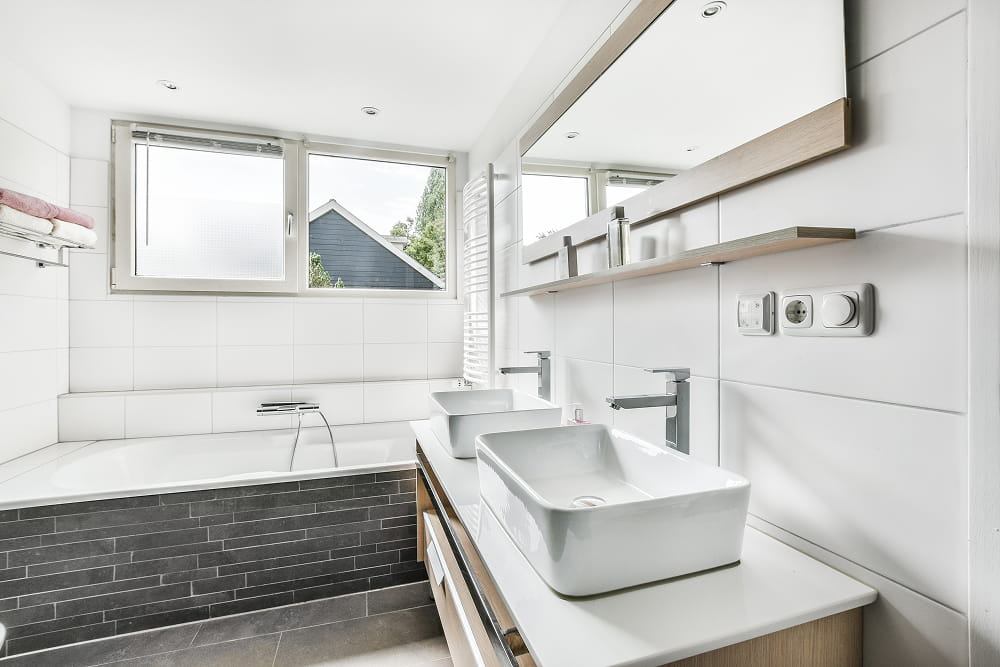
The “looks great… until it fails” problem
A bathroom can look stunning on reveal day—and still become a money pit within 12–24 months.
The usual culprits aren’t “bad luck.” They’re predictable material failures: tile that cracks because the substrate flexes, grout that stains because it wasn’t sealed (or shouldn’t have been used), vanities that swell from humidity, and showers that leak because waterproofing was treated like an optional upgrade.
If you’re investing in a bathroom remodel, you’re not just buying a new look—you’re buying years of performance in a wet, high-traffic environment. This guide breaks down the best materials for a long-lasting bathroom remodel, where it’s smart to spend, where you can save, and how to avoid the hidden decisions that shorten the life of your new bathroom.
Quick answer: what materials last the longest in a bathroom?
If you want the most durable, low-regret combination, prioritize:
- Porcelain tile (floors + shower walls) over ceramic in most cases
- A full waterproofing system (sheet or liquid membrane) behind tile—especially in showers
- Cement board or foam backer board in wet areas (not standard drywall)
- Epoxy grout (or high-performance grout) for stain resistance and longevity
- Quartz countertops for low maintenance and consistent durability
- Solid wood or high-quality plywood vanities with moisture-resistant finishes (avoid cheap MDF in wet zones)
- Solid brass or stainless plumbing fixtures with reputable cartridges/valves
- Tempered glass shower enclosures with quality hardware
Now let’s get specific—because “best” depends on your bathroom’s traffic, ventilation, and how you actually live.
How to choose bathroom materials that truly last (not just “premium”)
Think in systems, not surfaces
A long-lasting bathroom isn’t just tile + vanity + fixtures. It’s a system:
- Structure (subfloor, framing, slope)
- Substrate (backer board, underlayment)
- Waterproofing (membranes, seams, corners)
- Finish layer (tile/stone/panels)
- Maintenance reality (cleaning habits, ventilation)
A “high-end” finish installed over the wrong substrate fails faster than a mid-range finish installed correctly.
Prioritize wet zones first
If budget is tight, spend on:
- Waterproofing + prep (shower, tub surround, floor transitions)
- Flooring durability + slip resistance
- Fixtures/valves (the parts behind the wall)
You can upgrade lighting and mirrors later. Fixing a leak behind tile is the expensive part.
Best flooring materials for a long-lasting bathroom remodel
Porcelain tile (best overall for durability)
Why it lasts: Porcelain is denser and less porous than ceramic, making it highly water-resistant and tough under foot traffic.
Best for: Most bathrooms—especially family bathrooms and high-use primary baths.
Actionable tips:
- Choose through-body or color-bodied porcelain for better chip camouflage.
- Look for DCOF slip resistance (especially for kids/aging-in-place).
- Use a crack isolation membrane if your home is prone to movement.
Real-world example: If you’ve ever seen hairline cracks in tile that “randomly” appear, it’s often not the tile—it’s subfloor flex. Porcelain paired with proper underlayment and movement joints dramatically reduces this.
Luxury vinyl tile (LVT) / luxury vinyl plank (LVP) (best budget-friendly resilience)
Why it lasts: Quality LVT/LVP is water-resistant, comfortable, and forgiving if you drop things.
Best for: Powder rooms, guest baths, or remodels where you want speed + cost control.
Watch-outs:
- Not all “waterproof” vinyl is equal—the seams and subfloor prep matter.
- Avoid cheap click-lock products in bathrooms with frequent standing water.
Natural stone (beautiful, but longevity depends on maintenance)
Stone can last decades—but only if you accept the maintenance.
Best for: Homeowners who love patina and will seal/maintain.
Avoid if: You want “install it and forget it.”
Expert insight: Stone isn’t automatically “better” than porcelain. In many bathrooms, high-quality porcelain that mimics stone outperforms real stone in stain resistance and ease of care.
Best shower and tub surround materials (where failures are most expensive)
Porcelain tile for shower walls (durable + design flexibility)
Why it lasts: Low absorption, strong surface, huge range of styles.
Pro tip: Large-format tile reduces grout lines (less maintenance), but requires flatter walls and skilled installation.
Solid-surface panels (low grout, high longevity)
Solid-surface or engineered panels can be extremely durable and easy to clean.
Best for: Homeowners who hate scrubbing grout and want a sleek look.
Tip: Ask about seam placement and long-term serviceability.
Acrylic/fiberglass surrounds (good when quality is high)
These can last—especially in secondary bathrooms—if you choose a reputable product and install it correctly.
Avoid: Thin, bargain surrounds that flex (flexing leads to cracking and failed seals).
Waterproofing materials: the “invisible” choice that determines longevity
If you remember one thing: tile is not waterproof. Grout is not waterproof. Even stone isn’t waterproof.
Sheet membranes (high reliability)
Sheet membranes create a consistent waterproof layer with controlled thickness.
Best for: Showers, wet rooms, and any remodel where you want maximum risk reduction.
Liquid-applied membranes (excellent when installed correctly)
Liquid membranes can be great—especially for complex shapes—if applied at the correct thickness with proper cure time.
Common failure: Too thin application or skipped reinforcement at corners/changes of plane.
Shower pans and drains
A long-lasting shower depends on:
- Correct slope to drain
- Properly integrated drain system
- Flood testing (yes, it matters)
Expert insight: Many “mystery leaks” come from transitions—curbs, niches, benches, and corners. Choose systems designed to handle these details, not improvised patchwork.
Best wall materials outside the shower (humidity-resistant choices)
Moisture-resistant drywall + quality paint (best for non-wet walls)
For walls not directly exposed to water, moisture-resistant drywall paired with the right paint can last a long time.
Tip: Use a bathroom-rated paint with a durable finish (often satin or semi-gloss) and ensure ventilation is addressed.
Tile wainscoting (durable, splash-proof)
Tile halfway up the wall adds protection where it counts—behind toilets, near sinks, and in kids’ baths.
Best countertop materials for bathrooms (durability + low maintenance)
Quartz (best overall)
Why it lasts: Non-porous, stain-resistant, consistent, and easy to clean.
Best for: Most homeowners who want durability without sealing.
Tip: Use undermount sinks and quality silicone sealing to reduce water intrusion.
Granite (durable, but needs sealing)
Granite can last for decades, but it’s more porous than many people think.
Best for: Homeowners okay with periodic sealing.
Solid surface (great for integrated sinks)
Solid surface counters can be repaired and refinished more easily than stone.
Best for: Minimalist looks and easy cleaning.
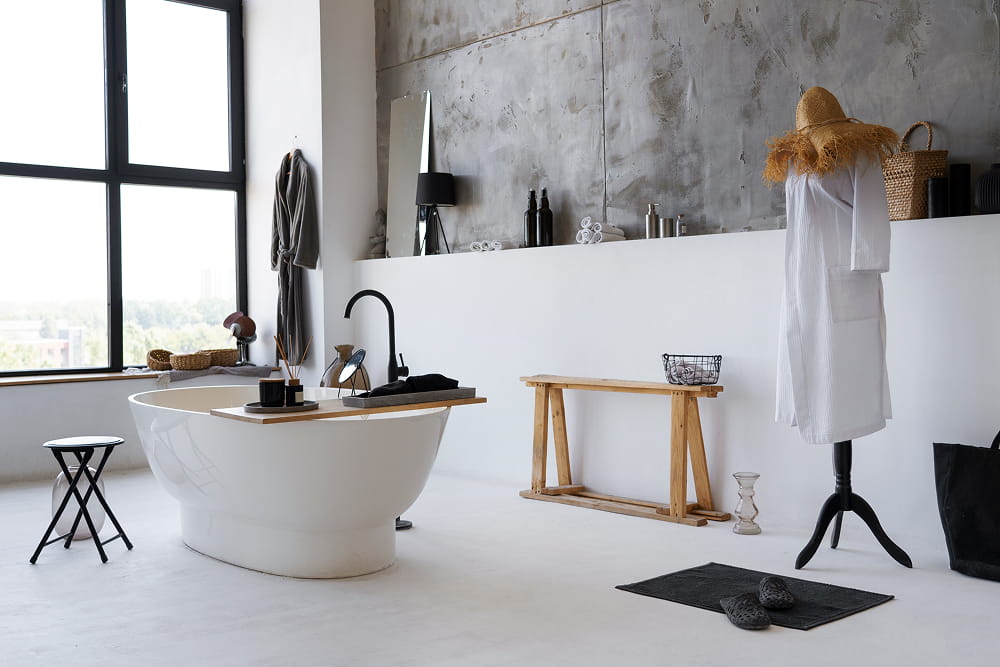
Best vanity and cabinet materials (where humidity destroys “cheap” fast)
Plywood boxes + solid wood doors (best long-term value)
Why it lasts: Better screw-holding, better moisture tolerance, and stronger structure than particleboard.
Tip: Ask specifically: Is the cabinet box plywood or particleboard? Many “nice-looking” vanities hide weak boxes.
MDF: when it’s okay (and when it’s not)
MDF can be stable in dry conditions, but bathrooms aren’t dry.
Use MDF only if: It’s high-quality, fully sealed, and your bathroom has excellent ventilation.
Avoid MDF for: Areas likely to get splashed daily (kids’ baths, tight powder rooms with little airflow).
Hardware that lasts (often overlooked)
- Soft-close hinges from reputable brands
- Corrosion-resistant drawer slides
- Proper toe-kick and floor protection to prevent wicking
Best bathroom fixture materials (faucets, valves, showerheads)
Solid brass or stainless fixtures (durability + serviceability)
Why it lasts: Better corrosion resistance and internal component quality.
Tip: Don’t just shop by finish name (matte black, brushed gold). Ask about:
- Valve quality
- Cartridge availability
- Warranty and parts support
Finishes: what holds up in real life?
- Brushed nickel and chrome are classic for a reason: durable and easy to maintain.
- Trend finishes can last, but quality varies widely by brand.
Expert insight: The finish is the “paint.” The valve is the engine. Invest in the engine.
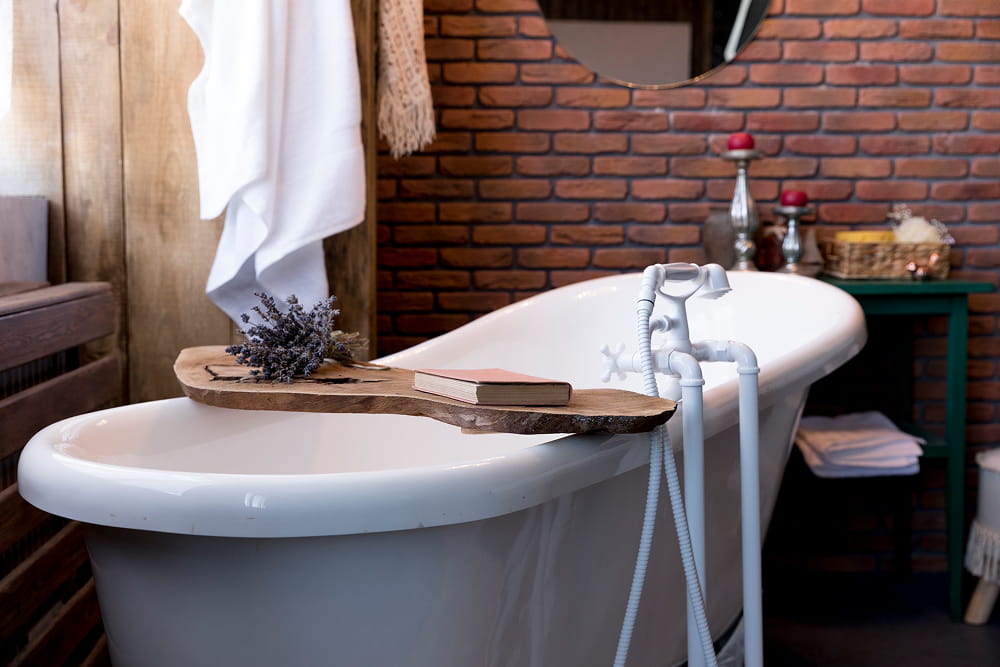
Best grout and sealant choices (small line item, huge impact)
Epoxy grout (best stain resistance)
Why it lasts: Highly stain-resistant, less porous, great for showers.
Trade-off: More expensive and more demanding to install.
High-performance cementitious grout (strong alternative)
If epoxy isn’t in budget, choose a premium grout and follow proper sealing/maintenance.
100% silicone at changes of plane (critical)
Use silicone—not grout—where walls meet walls, walls meet floors, and around tubs.
Common failure: Grout cracks at corners, water gets in, and damage starts quietly.
Best ventilation materials and upgrades (because materials can’t outwork moisture)
A long-lasting bathroom remodel depends on controlling humidity.
Quiet, properly sized exhaust fan
Tip: Choose a fan sized for your bathroom and vented correctly to the exterior.
Humidity-sensing controls
These reduce the “we forgot to turn it on” problem.
Real example: Many mold and peeling-paint issues aren’t from a leak—they’re from daily steam with poor ventilation.
Material-by-material cheat sheet (quick comparison)
Area | Best long-lasting pick | Great alternative | Use with caution |
Floors | Porcelain tile | Quality LVT/LVP | Polished stone (slip + sealing) |
Shower walls | Porcelain tile + waterproofing system | Solid-surface panels | Natural stone (maintenance) |
Waterproofing | Sheet membrane system | Liquid membrane (proper thickness) | “Tile is waterproof” thinking |
Countertops | Quartz | Solid surface | Marble (etching/staining) |
Vanities | Plywood + solid wood | High-quality sealed MDF (dry baths) | Cheap particleboard/MDF near splashes |
Fixtures | Solid brass/stainless + reputable valves | Mid-tier brands with parts support | No-name fixtures with no replacement parts |
Common mistakes that shorten the life of a bathroom remodel
1) Treating waterproofing as an “upgrade”
Skipping a real waterproofing system is the fastest path to hidden damage.
2) Choosing tile first and ignoring substrate prep
Flat walls, proper backer board, and movement joints matter as much as the tile.
3) Using grout where silicone should be
Corners and transitions move. Grout cracks. Water follows.
4) Buying fixtures based on looks alone
If the cartridge fails and parts aren’t available, you’re replacing the whole fixture.
5) Picking a vanity that can’t handle humidity
Swollen cabinet bottoms and peeling finishes are common when cheap materials meet daily steam.
6) Ignoring ventilation
Even the best materials degrade faster in a damp, poorly vented bathroom.
Actionable tips to make any bathroom materials last longer
- Ask for a waterproofing plan (products, coverage, and a flood test for showers)
- Request movement joints and correct transition detailing
- Choose fewer grout lines (larger tile or panels) if you want easier maintenance
- Invest in what’s behind the wall (valves, waterproofing, substrate)
- Use bath mats and wipe-down habits to reduce standing water at vanity bases
- Run the fan during showers and for 20–30 minutes after
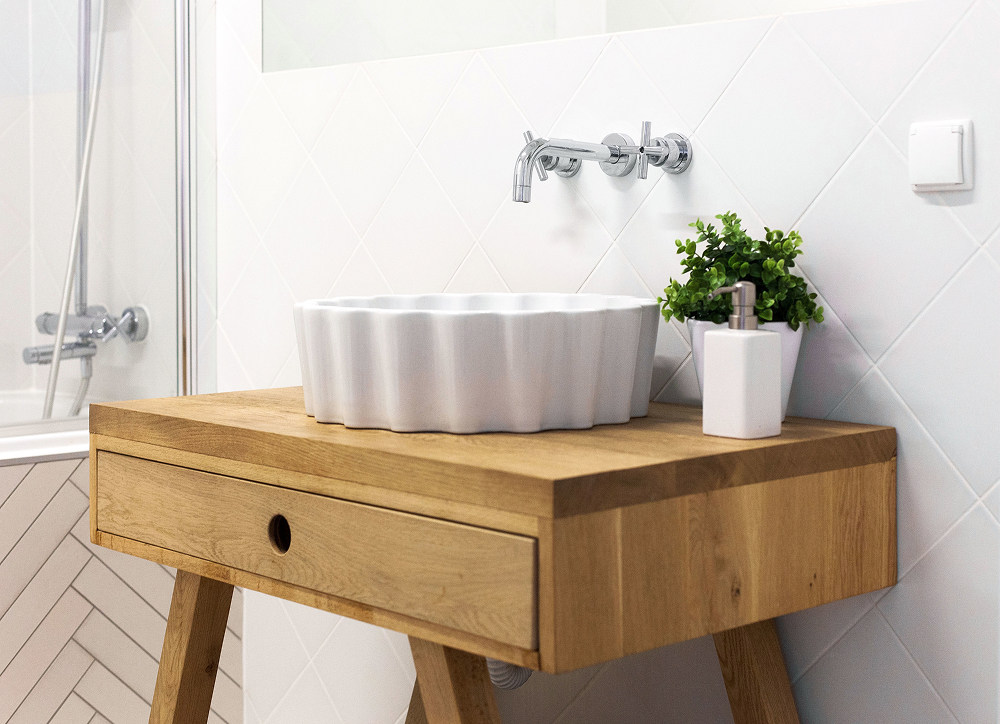
Recent Blogs
Luxury Bathroom Remodeling
Bathroom Remodel Checklist
Luxury Bathroom Remodel Cost (2026)
Best Tile for Bathrooms: Pros, Cons, and Costs
Bathroom Remodel Portfolio / Before & After
FAQ
What is the most durable material for a bathroom floor?
Porcelain tile is typically the most durable bathroom flooring because it’s dense, water-resistant, and holds up well to heavy daily traffic when installed over a properly prepared subfloor.
What is the best material for shower walls to prevent leaks?
The best approach is porcelain tile installed over a complete waterproofing system (sheet or liquid membrane) with properly sealed seams, corners, and penetrations. Tile alone does not prevent leaks.
Is quartz good for bathroom countertops?
Yes. Quartz is one of the best bathroom countertop materials because it’s non-porous, stain-resistant, and doesn’t require sealing—making it ideal for high-humidity spaces.
What bathroom vanity material holds up best to moisture?
Vanities with plywood cabinet boxes and solid wood doors tend to hold up best. They resist swelling better than cheap particleboard and provide stronger long-term structure.
Is epoxy grout worth it in a shower?
Often, yes. Epoxy grout is highly stain-resistant and less porous, which makes it a strong choice for showers and high-use bathrooms—especially if you want easier cleaning and longer-lasting grout lines.
What materials should you avoid in a bathroom remodel?
Avoid low-quality MDF/particleboard vanities in splash-prone bathrooms, and be cautious with marble if you don’t want etching and staining. Also avoid “no-name” fixtures with limited parts support.
How do I make my bathroom remodel last 20 years?
Focus on the fundamentals: professional waterproofing, proper substrate prep, quality fixtures/valves, durable flooring, and strong ventilation. These choices prevent the hidden failures that shorten a remodel’s lifespan.
A long-lasting bathroom remodel isn’t about chasing the most expensive finishes—it’s about choosing materials that match the environment and installing them with a system that controls water, movement, and humidity.
If you want help selecting the right materials for your budget (and making sure the “behind-the-walls” details are done right), reach out for a bathroom remodel consultation. We’ll help you compare options, avoid costly mistakes, and build a bathroom that still looks—and performs—great years from now.