Walk-In Shower vs Bathtub: What’s Best for Your Remodel?
Published on: May 19, 2026

The remodel decision that can make (or break) your bathroom
If you’re remodeling your bathroom, few decisions feel as permanent—or as high-stakes—as this one:
Do you install a walk-in shower or keep (or add) a bathtub?
It’s not just a style choice. It affects daily comfort, cleaning, accessibility, resale value, and how future buyers perceive your home. And the regret is real: homeowners often remove a tub for a sleek shower… then realize they miss it (or learn buyers in their market expect at least one).
This guide will help you decide with confidence. We’ll compare walk-in shower vs bathtub across the factors that matter most—space, budget, ROI, family needs, and long-term flexibility—so you can choose the best option for your remodel.
Search intent: What you’re really trying to figure out
People searching “walk-in shower vs bathtub” usually want:
- Informational clarity: Pros/cons, cost, and what’s best for their situation.
- Transactional confidence: A decision framework before hiring a contractor or finalizing design.
You’ll get both—plus practical examples and expert insights to avoid expensive mistakes.
Quick answer: Walk-in shower vs bathtub—what’s best?
Here’s the simplest rule of thumb:
- Choose a walk-in shower if you want a modern look, easier access, and a spa-style daily experience—especially in a primary bathroom.
- Choose a bathtub if you have young kids, love soaking, or your home currently lacks a tub (important for resale in many markets).
Best-case scenario for resale and flexibility: Keep at least one bathtub somewhere in the home, and upgrade the primary bath with a high-quality shower (or a shower + freestanding tub if space and budget allow).
Walk-in shower: Pros, cons, and who it’s best for
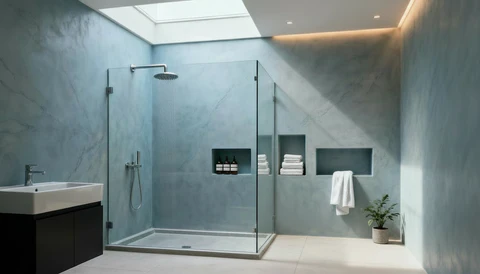
A walk-in shower typically means a larger shower footprint, often with frameless glass, a low curb or curbless entry, and upgraded fixtures.
Walk-in shower pros
- Modern, high-end look (especially with frameless glass)
- Accessibility-friendly (curbless options support aging-in-place)
- Easier to clean than many tub/shower combos
- Space-efficient in many layouts (can open up the room visually)
- Customizable experience (bench, niche, rain head, handheld)
Walk-in shower cons
- May reduce buyer appeal if it removes the home’s only tub
- Water containment matters (poor design can cause splash issues)
- Can be more expensive than a basic tub/shower combo depending on tile, glass, and waterproofing
Best for
- Primary bathrooms
- Couples who don’t use a tub
- Homeowners planning for accessibility
- Smaller bathrooms where removing a tub improves layout
Bathtub: Pros, cons, and who it’s best for
Bathtubs range from practical alcove tubs to freestanding statement tubs.
Bathtub pros
- Strong family functionality (kids, pets)
- Resale-friendly in many markets (buyers often want at least one)
- Relaxation/soaking (especially with deeper tubs)
- Can be cost-effective if you’re keeping plumbing in place
Bathtub cons
- Harder to step into for some homeowners (accessibility)
- Can feel dated if it’s a bulky tub/shower combo with a curtain
- Freestanding tubs can be more aesthetic than practical (cleaning around them, water splashing)
Best for
- Homes with young children
- Anyone who takes baths regularly
- Homes that currently have no bathtub
- Guest bathrooms where a tub increases flexibility
The 7 factors that should decide your choice
Instead of guessing, use these decision factors.
1) Resale value: What do buyers actually want?
Resale depends on your local market and your home’s price point, but there’s a consistent pattern:
What tends to help resale
- A beautiful, well-built shower in the primary bathroom
- At least one bathtub in the home (especially for family-oriented buyers)
When removing a tub can hurt
- It’s the only tub in the house
- Your home is in a neighborhood with many families
- Comparable listings typically include a tub
Expert insight
Buyers don’t just look for a tub—they look for a bathroom that feels turnkey. A dated tub/shower combo can be a negative, but so can a home with zero tubs. The goal is balance.
2) Your lifestyle: How you actually use the bathroom
This is the most overlooked factor.
Choose a walk-in shower if
- You shower daily and rarely (or never) take baths
- You want faster routines and easier cleaning
- You’re planning for long-term accessibility
Choose a bathtub if
- You take baths often
- You have kids now (or plan to soon)
- You want the flexibility to bathe pets or handle messy situations
Real example
A couple remodels their primary bath with a large shower and no tub—perfect for their routine. But they keep a tub in the hall bath for future resale and practicality.
3) Space and layout: What fits without compromising function?
A bathroom can’t be “luxury” if it’s awkward.
Walk-in shower layout wins
- Can create room for a larger vanity or better storage
- Frameless glass makes the room feel bigger
- Curbless entry reduces visual barriers
Bathtub layout wins
- Alcove tubs can be efficient in smaller guest baths
- Tub/shower combos can maximize function in one footprint
Pro tip
If you’re tight on space, prioritize clearances: door swing, toilet spacing, and vanity depth. A slightly smaller shower with better layout often beats a huge shower that makes everything else cramped.
4) Cost: Which is more expensive?
Cost varies widely based on materials and scope.
What drives walk-in shower cost
- Waterproofing system quality
- Tile choice and labor (tile is labor-heavy)
- Frameless glass
- Plumbing upgrades (valves, multiple heads)
What drives bathtub cost
- Tub type (alcove vs freestanding vs soaking tub)
- Surround material (tile vs panels)
- Plumbing relocation (freestanding tubs often require changes)
Expert insight
A basic tub/shower combo can be cheaper upfront, but a well-designed walk-in shower often delivers a higher-end feel and stronger buyer perception—especially in a primary bath.
5) Maintenance and cleaning: What will you realistically keep up with?
Walk-in shower maintenance considerations
- Hard water can spot glass (choose coatings or plan squeegee habits)
- Grout lines require sealing/cleaning (large-format tile helps)
Bathtub maintenance considerations
- Tub/shower curtains can feel less premium
- Freestanding tubs require cleaning around the base
Pro tip
If you want a luxury look with less maintenance, consider:
- Larger tile to reduce grout
- Quartz/porcelain surfaces
- Glass treatments to reduce spotting
6) Accessibility and aging-in-place
If you plan to stay in the home long term, accessibility matters.
Walk-in shower accessibility wins
- Curbless entry
- Built-in bench
- Handheld showerhead
- Better slip resistance options
Bathtub accessibility tradeoff
Tubs can be harder to enter/exit. There are solutions (walk-in tubs), but they’re a specialized choice and not always a resale favorite.
Expert insight
Even if you don’t need accessibility features today, planning for them during a remodel is smart. Adding blocking for future grab bars is low-cost and high-value.
7) The “best of both” option: Shower + tub (when it makes sense)
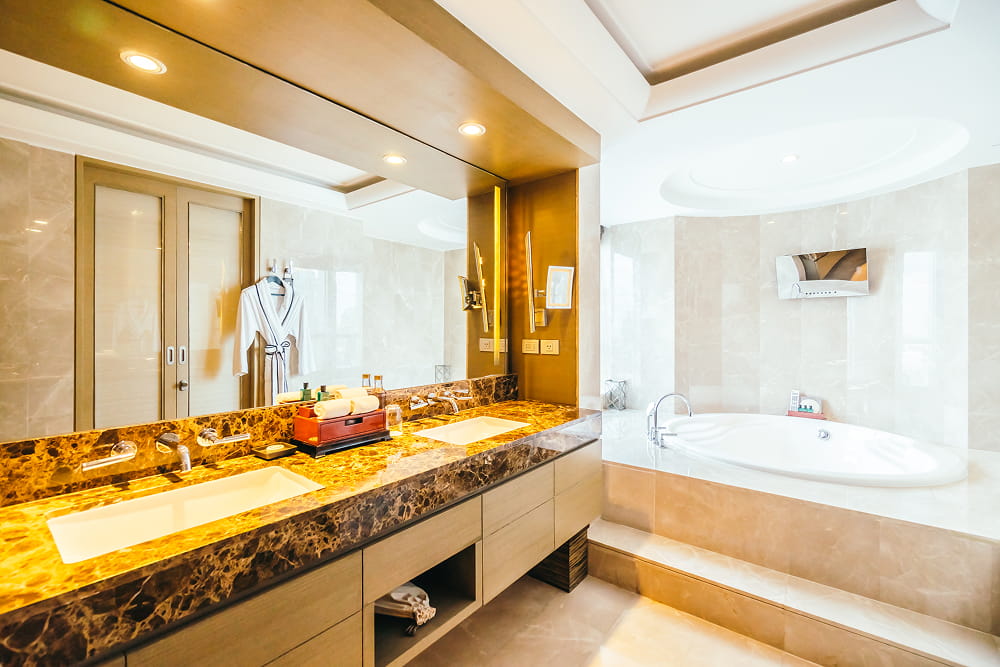
If you have the space and budget, a separate shower and tub can feel like true luxury.
When it’s worth it
- Primary bathrooms with enough square footage
- Higher-end homes where buyers expect premium amenities
- Homeowners who love soaking and want a spa shower
How to do it without waste
- Don’t add a tub just to add one—make sure it’s usable
- Consider a deeper soaking tub rather than a huge footprint
- Keep finishes cohesive so the room feels intentional
Real-world scenarios: What’s best for your remodel?
Use these as quick matching examples.
Scenario A: You have kids (or plan to)
Best choice: Keep a bathtub somewhere in the home. If you remodel the primary bath, a walk-in shower can still be great—just don’t eliminate the only tub.
Scenario B: You’re remodeling a primary bathroom for daily comfort
Best choice: Walk-in shower (often curbless) with strong lighting and storage. Optional: add a tub only if you’ll use it.
Scenario C: You’re remodeling a guest bath
Best choice: Tub/shower combo or compact tub with upgraded surround. It’s flexible for guests and helps resale.
Scenario D: You’re planning to sell soon
Best choice: Follow your market expectations. In many cases: keep one tub in the home + upgrade the primary shower for “wow” photos.

Common mistakes people make (and how to avoid them)
- Removing the only bathtub in the house This can shrink your buyer pool. If you want a walk-in shower, keep a tub in another bathroom.
- Designing a shower that splashes everywhere Poor glass placement and drain slope cause daily frustration. Plan water containment early.
- Choosing style over function A freestanding tub looks amazing, but if you never use it, it becomes wasted space.
- Underestimating waterproofing and ventilation These are the hidden systems that protect your investment.
- Overbuilding for the neighborhood Ultra-custom features can be hard to recoup if your home’s price point doesn’t support it.
- Not planning storage A gorgeous remodel still feels messy without smart storage.

Recent Blogs
Luxury Bathroom Remodeling
Bathroom Remodel Checklist
Luxury Bathroom Remodel Cost (2026)
Best Tile for Bathrooms: Pros, Cons, and Costs
Bathroom Remodel Portfolio / Before & After
Common mistakes people make (and how to avoid them)
- Spending big on finishes but ignoring function A gorgeous tile wall won’t fix a cramped layout or no storage.
- Choosing high-maintenance materials without a plan Some finishes show water spots and require frequent upkeep. Choose what fits your lifestyle.
- Skipping lighting design Overhead-only lighting creates shadows and makes the bathroom feel flat.
- Not upgrading ventilation Moisture ruins paint, grout, and cabinetry—fast.
- Over-customizing Extremely bold choices can limit resale appeal. Keep the base timeless.
- Hiring based on the lowest bid Bathrooms are technical. Waterproofing and slope matter more than saving a few percent.
FAQs
Is a walk-in shower better than a bathtub for resale?
A walk-in shower can be better for resale in a primary bathroom, especially when it looks modern and high-end. However, many buyers still want at least one bathtub in the home, so removing the only tub can hurt resale.
Should I remove my bathtub and replace it with a walk-in shower?
Replace a bathtub with a walk-in shower if you rarely use the tub, want easier access, and you still have another bathtub elsewhere in the home. If it’s your only tub, consider keeping it for resale and flexibility.
Do walk-in showers cost more than bathtubs?
Often, yes. Many remodeling projects require permits—especially ADU construction, room additions, structural changes, and major electrical or plumbing updates. We’ll help you understand what applies to your project and guide you through the process.
Is it okay to have no bathtub in the house?
It can be okay if the home is targeted to buyers who prioritize showers, but it may reduce appeal for families with young children. In many markets, having at least one bathtub is recommended.
What’s better for a small bathroom: shower or tub?
For small bathrooms, a walk-in shower can make the space feel larger and more open. A tub/shower combo can be more versatile, especially for guest baths or homes with kids.
What type of shower adds the most value?
A well-built walk-in shower with frameless glass, quality waterproofing, a niche, good lighting, and durable finishes tends to add the most value.
Is a freestanding tub worth it?
A freestanding tub can be worth it if you’ll use it and the bathroom has enough space. If it’s purely decorative, it may not add as much value as investing in a better shower, lighting, and storage.
Choosing between a walk-in shower and a bathtub isn’t about what’s trending—it’s about what fits your home, your lifestyle, and your resale goals.
If you want the most flexible, value-protecting approach, aim for this: upgrade your primary bathroom with a high-quality walk-in shower, and keep at least one bathtub somewhere in the home.
Want help deciding what’s best for your remodel? Schedule a consultation to review your layout, talk through resale considerations, and design a bathroom that looks incredible, functions better every day, and holds its value long term.