
Remodeling a home in Los Angeles is an exciting opportunity to transform how a space looks, feels, and functions. Whether you’re upgrading a kitchen, renovating a bathroom, adding a room, or planning a full home remodel, one of the first questions homeowners ask is simple:
How much will it cost?
The answer is rarely straightforward. Remodeling costs in Los Angeles vary significantly depending on the size of the project, the materials selected, the complexity of the work, and the specific conditions of the property. Two homes with the same square footage can end up with completely different budgets based on design choices, structural changes, and construction requirements.
In this guide, we’ll walk through realistic remodeling costs in Los Angeles for 2026, explore the factors that influence pricing, and help homeowners understand what to expect when planning a renovation.
Why Remodeling Costs Are Higher in Los Angeles
Before discussing specific numbers, it’s important to understand why remodeling in Los Angeles tends to cost more than in many other parts of the country.
First, labor costs are higher. Skilled trades such as electricians, plumbers, tile installers, and finish carpenters command higher wages in the Los Angeles market due to demand and the cost of living.
Second, permit requirements and building regulations are stricter. Many projects require multiple inspections, engineering approvals, and city permits, which can increase both the timeline and the overall cost.
Third, material costs are influenced by design trends and homeowner expectations. Los Angeles homes often feature premium finishes, custom cabinetry, and high-end appliances that elevate the final budget.
Finally, older homes present unique challenges. Many properties built decades ago require electrical upgrades, plumbing adjustments, or structural modifications before new work can begin.
All of these factors contribute to why remodeling in Los Angeles should be approached with careful planning and realistic budgeting.
Average Remodeling Costs in Los Angeles (2026)
While every project is different, most remodeling projects fall into certain cost ranges. These estimates provide a general guideline for homeowners planning renovations in the Los Angeles area.

Kitchen Remodel
The kitchen is typically the most expensive room to renovate because it involves cabinetry, appliances, plumbing, electrical work, and high-end finishes.
A basic kitchen remodel with stock cabinets, laminate or quartz countertops, and standard appliances may start around $40,000 to $60,000.
A mid-range kitchen remodel with custom cabinetry, stone countertops, upgraded appliances, and improved lighting typically falls between $70,000 and $120,000.
A high-end luxury kitchen remodel featuring custom millwork, premium appliances, designer fixtures, and architectural upgrades can easily reach $150,000 to $250,000 or more.
The kitchen often becomes the centerpiece of the home, so homeowners tend to invest heavily in materials and layout improvements.
Bathroom Remodel

Bathrooms vary widely in cost depending on size and complexity.
A basic bathroom remodel involving new tile, vanity, fixtures, and lighting might cost between $20,000 and $35,000.
A mid-range bathroom remodel that includes custom tile work, a walk-in shower, upgraded plumbing fixtures, and modern cabinetry typically ranges from $35,000 to $70,000.
A luxury bathroom remodel with a freestanding tub, large-format stone tile, heated floors, custom glass shower enclosures, and designer lighting can cost $80,000 to $120,000 or more.
Bathrooms require significant plumbing and waterproofing work, which contributes to the overall cost.
Room Additions
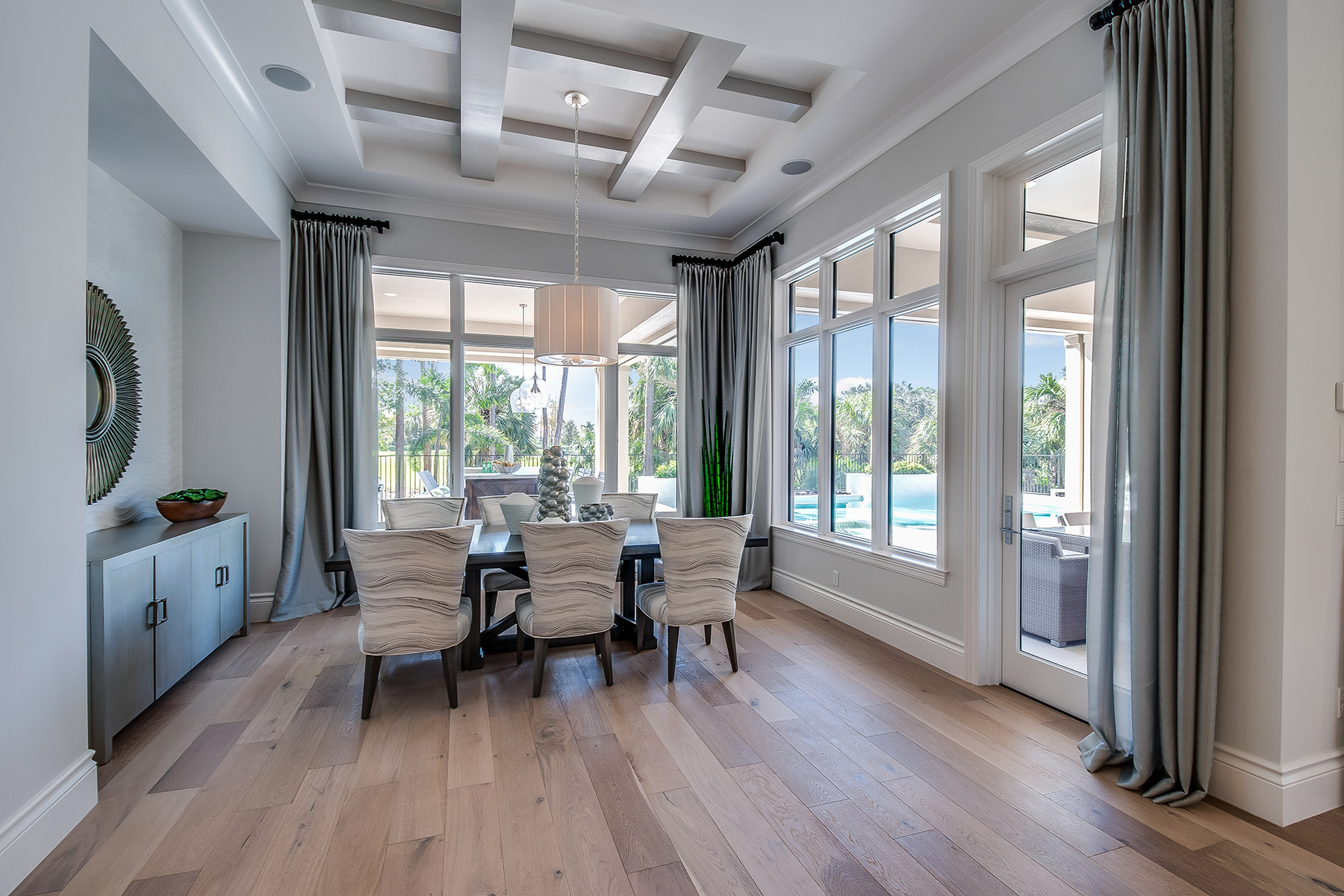
Adding square footage to a home is one of the most significant remodeling investments.
In Los Angeles, room additions typically cost between $350 and $600 per square foot depending on finishes and structural complexity.
A small bedroom addition may range from $80,000 to $150,000.
A primary suite addition with a bathroom and walk-in closet may reach $200,000 to $400,000.
Room additions require foundations, framing, roofing, electrical, plumbing, insulation, and interior finishes, which is why they carry higher price tags.
ADU Construction
Accessory Dwelling Units (ADUs) have become increasingly popular in Los Angeles due to their rental potential and flexible living arrangements.
A garage conversion ADU may cost between $120,000 and $200,000 depending on size and upgrades.
A detached ADU often ranges from $250,000 to $400,000 or more.
ADUs require full kitchens, bathrooms, and independent utilities, which means they function almost like building a second home on the same property.
Whole Home Remodel
A full home remodel is the most comprehensive type of renovation.
In Los Angeles, whole home remodels often range from $150 to $400 per square foot depending on the scope of work.
For example:
- A modest renovation of a 2,000-square-foot home might cost $300,000.
- A high-end renovation with structural changes and premium finishes could exceed $800,000.
Whole home renovations often include new kitchens, bathrooms, flooring, lighting, and layout modifications.
Key Factors That Influence Remodeling Costs
No two remodeling projects are identical. Several factors significantly influence the final price.
Size of the Project
Larger spaces require more materials, more labor, and longer construction timelines. Even small increases in square footage can significantly impact costs.
Material Selection
Materials can dramatically affect the budget.
For example, quartz countertops may cost several thousand dollars, while natural stone slabs can cost significantly more depending on rarity and fabrication.
Similarly, custom cabinetry costs substantially more than stock cabinets but offers greater design flexibility.
Structural Changes
Removing walls, altering layouts, or adding windows often requires engineering and additional construction work. Structural modifications can increase costs quickly but may dramatically improve the flow of the home.
Permits and Inspections
Most remodeling projects require permits in Los Angeles. These permits ensure that electrical, plumbing, and structural work meet safety standards.
Permits add costs but protect homeowners and future buyers by ensuring the work is properly documented.
Labor and Contractor Experience
Experienced contractors often charge higher rates, but they also provide better project management, quality control, and craftsmanship.
Choosing the cheapest contractor can lead to delays, poor workmanship, and expensive repairs later.
Hidden Costs Homeowners Often Overlook
When budgeting for a remodel, homeowners sometimes forget to account for additional expenses that arise during construction.
For example, temporary living arrangements may be necessary if a kitchen or multiple bathrooms are under renovation.
Older homes may require electrical panel upgrades or plumbing replacements before new finishes can be installed.
There are also design and planning costs, such as architectural drawings, engineering reports, and permit applications.
Including a contingency fund of about 10–20 percent of the project budget helps prepare for unexpected issues.
How to Plan a Realistic Remodeling Budget
The best way to approach a remodeling project is with clear priorities.
Start by identifying the features that matter most. For some homeowners, that may be high-end appliances. For others, it might be custom cabinetry or large windows that bring in natural light.
Next, allocate the budget based on those priorities. Spending more on elements that affect daily use often provides the greatest satisfaction.
Finally, work with a contractor early in the process. A professional contractor can help identify cost-saving opportunities and prevent design choices that exceed the budget.
How Remodeling Adds Value to Your Home
While remodeling improves daily comfort and aesthetics, it can also increase property value.
Kitchens and bathrooms consistently provide the strongest return on investment. Updated layouts, modern materials, and energy-efficient appliances make homes more attractive to buyers.
Room additions and ADUs can significantly increase usable square footage, which directly impacts home value in Los Angeles.
However, the true value of remodeling often goes beyond resale potential. Many homeowners renovate to create spaces that better reflect their lifestyle.
Should You Remodel or Move?
For many homeowners in Los Angeles, remodeling makes more sense than moving.
Real estate prices continue to rise, and moving often involves transaction costs, relocation stress, and higher mortgage payments.
Renovating allows homeowners to stay in neighborhoods they love while customizing their space to meet their needs.
Tips for a Successful Remodeling Project
A successful remodel begins with thoughtful planning.
Start with a clear vision of what you want to achieve. Work with professionals who understand local building regulations and construction standards. Choose materials that balance durability with design.
Most importantly, maintain open communication with your contractor throughout the project.
Remodeling is a collaboration, and the best results come from teamwork between homeowners, designers, and builders.
Final Thoughts
Remodeling a home in Los Angeles is a significant investment, but it can transform the way you live in your space. Whether you’re updating a kitchen, renovating a bathroom, or planning a full home remodel, understanding the cost factors involved helps you make informed decisions.
By planning carefully, selecting the right materials, and working with experienced professionals, homeowners can create spaces that are both beautiful and functional.
The goal of remodeling is not simply to update a house — it’s to create a home that supports the way you want to live.